Which Part of India Should You Visit First? A Guide by Travel Experience

One of the first questions people ask when planning a trip to India sounds simple:
"Where should I go?"
The honest answer is that there isn't one.
India is often described as if it were a single destination, but that's like saying Europe is one destination. The country stretches from the Himalayas to tropical coastlines, from centuries-old desert forts to modern financial districts, and from tea plantations to mangrove forests. Every region tells a different story. Instead of choosing destinations because they're famous, start with the kind of trip you want to have. Once you understand what excites you most, the map becomes much easier to read.

If you're dreaming of palaces, forts and grand architecture
Begin with Rajasthan.
For many first-time visitors, Rajasthan is the India they've imagined for years. Cities such as Jaipur, Udaipur and Jodhpur are known for their forts, palaces, colorful markets and rich artistic traditions. Historic hotels, many converted from former palaces or havelis, add another layer to the experience without feeling disconnected from the region's history. Rajasthan also works well for travelers who enjoy photography, decorative arts and slower evenings after busy days of sightseeing.
Read next: How Many Days Do You Need in Rajasthan? (coming soon)

If culture matters as much as comfort
Look at Gujarat.
International travelers often overlook Gujarat, yet it offers one of India's richest combinations of living craft traditions, remarkable architecture and deeply rooted vegetarian food culture. Ahmedabad's historic neighborhoods, UNESCO-recognized heritage, stepwells, textile traditions and connections to Mahatma Gandhi create a very different experience from Rajasthan. Rather than grand palaces, Gujarat often rewards curiosity—heritage walks, artisan workshops, local markets and remarkable architecture that tells the story of western India. It's an excellent choice for travelers who enjoy learning as much as sightseeing.
Read next: Why Gujarat May Be India's Most Underrated Cultural Destination (coming soon)
If you're looking for wellness and slower travel
Choose Kerala.
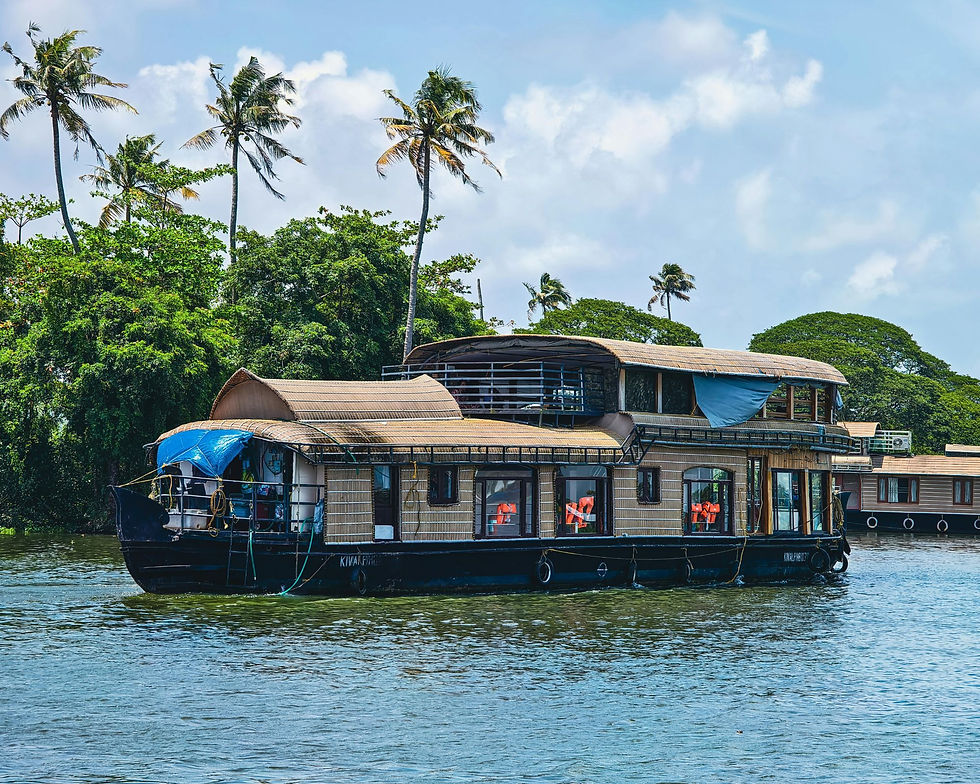
Kerala is often associated with Ayurveda, but reducing it to wellness retreats misses much of what makes the region special. Backwaters, spice plantations, coastal communities, tea-growing hills and one of India's most distinctive cuisines all contribute to a slower style of travel. It's a place where many visitors naturally spend longer in fewer locations. If your ideal holiday includes mornings that begin quietly rather than with an alarm clock and a queue for the next monument, Kerala deserves serious consideration.
Read next: Wellness in India Beyond Yoga and the Spa.

If food is one of the main reasons you're visiting
Think beyond one city.
India doesn't have one national cuisine in the way many visitors expect. Every region brings different ingredients, breads, spices and cooking traditions to the table. Punjab, Gujarat, Tamil Nadu, West Bengal, Maharashtra and Kerala all offer distinctly different culinary experiences. The familiar dishes served in Indian restaurants overseas represent only a small part of the country's food culture. Rather than trying to eat "the best Indian food," think about exploring regional cuisines one destination at a time.
Our guide to Vegetarian Travel in India explores some of this in much greater detail.

If history and spirituality interest you
Northern India offers many of the country's best-known historic and sacred destinations.
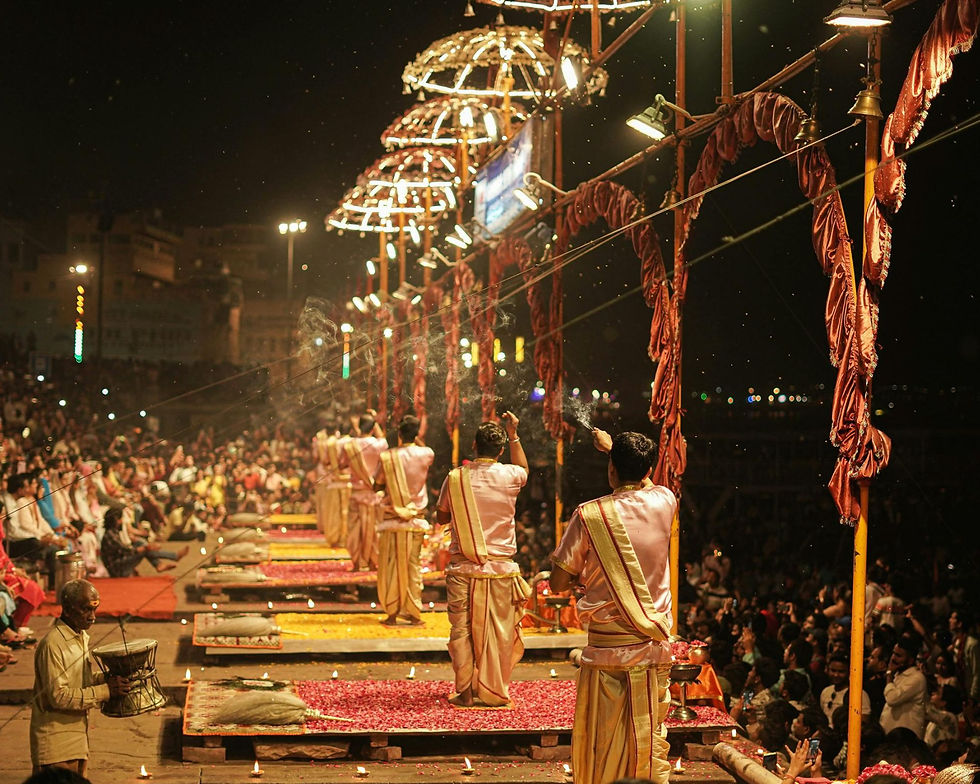
Delhi brings together layers of empires, architecture and modern life. Agra is home to the Taj Mahal and other Mughal monuments. Varanasi remains one of the world's oldest continuously inhabited cities and an important place of pilgrimage for Hindus. These destinations reward travelers who enjoy history, architecture and observing living traditions with respect and curiosity. It's worth arriving with an open mind rather than expecting every experience to fit neatly into a sightseeing schedule.

If you enjoy contemporary cities
Don't overlook Mumbai.
While many first-time itineraries focus almost entirely on historic monuments, Mumbai offers another perspective on India. Its neighborhoods combine colonial architecture, contemporary design, exceptional restaurants, art galleries, cinemas, business districts and one of the world's most dynamic urban cultures. Travelers who enjoy cities such as Tokyo, London or New York often appreciate Mumbai for similar reasons: there is always something happening, and the city rewards exploration beyond its most famous landmarks.

If wildlife is high on your list
India is one of the world's most rewarding wildlife destinations.
National parks across Madhya Pradesh, Rajasthan, Karnataka and Uttarakhand provide opportunities to see Bengal tigers, leopards, elephants, sloth bears and hundreds of bird species, depending on the region and season. Wildlife holidays also create a different rhythm. Early morning safaris are balanced by long afternoons of rest before heading back into the park later in the day. Even travelers who don't consider themselves wildlife enthusiasts are often surprised by how memorable these experiences become.
There isn't one "correct" first trip
Travel guides often encourage everyone to follow the same route. There's nothing wrong with beginning in Delhi, Agra and Jaipur if those destinations genuinely interest you. The Golden Triangle remains popular for good reason.
But it's only one introduction to India.
Someone passionate about textiles may connect more deeply with Gujarat. A traveler seeking wellness may remember Kerala long after returning home. An architecture enthusiast might leave Rajasthan already planning a second visit.
The best itinerary isn't the one that includes the greatest number of famous places. It's the one that reflects what you're genuinely curious about. As you continue planning, remember that your first visit doesn't need to explain all of India. It simply needs to introduce you to one part of it well enough that you'll want to come back.
Continue Planning Your India Trip
Next, explore: