Understanding Ayurveda Before You Book a Wellness Retreat in India

If you're planning a trip to India, you'll almost certainly come across the word Ayurveda. Luxury hotels offer Ayurvedic massages. Wellness resorts advertise Ayurvedic programs. Dedicated retreat centers promise personalized treatments, health-focused meals and consultations with Ayurvedic physicians.
At first glance, they can all seem similar.
They're not.
Understanding the differences before you book can help you choose an experience that matches your interests, your schedule and your expectations.

Ayurveda is much more than a massage
Many first-time visitors encounter Ayurveda through a spa treatment, but Ayurveda itself is far broader. It is one of India’s traditional systems of medicine, with an approach that may incorporate diet, daily routines, movement, herbal preparations and therapeutic treatments tailored to the individual.
That doesn't mean every place advertising Ayurveda offers the same experience. A one-hour massage at a luxury hotel and a week-long Ayurvedic retreat may both use traditional oils and therapies, but they're designed for completely different purposes.
Four very different Ayurvedic experiences
One of the easiest ways to understand Ayurveda as a traveler is to think of it as four distinct experiences.
A hotel spa
Treatments are generally designed for relaxation and well-being rather than as part of an extended, physician-led program. You may complete a health questionnaire or brief consultation, but you can usually book an individual treatment without committing to a broader wellness schedule.

A luxury wellness retreat
Several of India’s best-known destination wellness retreats fall into this category. Ananda in the Himalayas remains one of India's most internationally recognized wellness retreats, blending Ayurveda with yoga, meditation and personalized nutrition in the Himalayan foothills. Six Senses Vana combines Ayurveda with yoga, Tibetan Medicine and natural healing therapies, with personalized schedules developed after a wellness consultation. Atmantan Wellness Centre near Pune offers doctor-guided programs that draw from Ayurveda, naturopathy, yoga, nutrition, fitness and other integrative wellness approaches. These retreats are best suited to travelers who want Ayurveda within a broader, highly personalized luxury wellness program rather than an Ayurveda-only stay.
An authentic Ayurvedic retreat
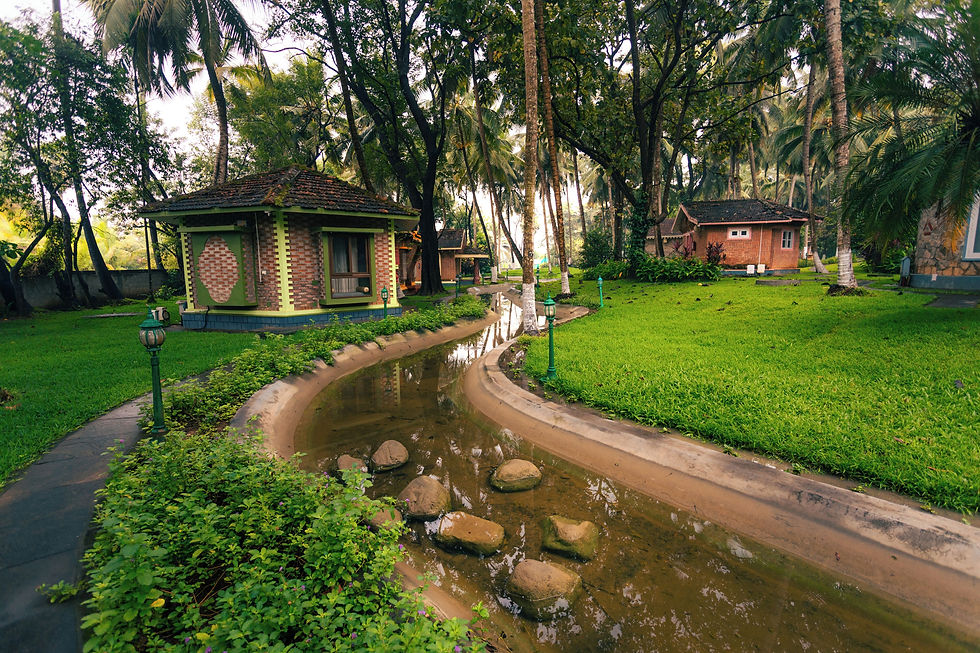
If your goal is to experience Ayurveda itself rather than simply add a wellness element to your vacation, look for a retreat where the stay begins with a consultation from an Ayurvedic physician. At established properties such as Somatheeram Ayurveda Village and Kairali – The Ayurvedic Healing Village, Ayurveda shapes the treatments, meals and daily schedule rather than appearing as one option on a larger spa menu. Depending on the program, guests may receive daily therapies, dietary guidance, yoga or meditation sessions and regular consultations. These retreats are generally more structured than luxury wellness resorts, but they still provide a residential retreat setting rather than the tightly controlled environment of an Ayurvedic hospital.
A clinical Ayurvedic center
At the most intensive end of the spectrum are Ayurveda hospitals and treatment centers designed primarily around therapeutic care rather than leisure travel. Kalari Kovilakom in Kerala is one of the clearest examples. The heritage property operates as an accredited Ayurveda treatment facility, with programs developed after a preliminary medical assessment and supervised by Ayurvedic physicians.
The experience is more disciplined than a conventional retreat. Treatment, diet, rest, yoga and daily routines may all form part of the prescribed program, and guests should expect restrictions on sightseeing and other activities during their stay. Programs are often measured in weeks rather than days. This category is most appropriate for travelers actively seeking a structured Ayurvedic treatment program and who understand that the experience is not designed as a flexible resort vacation. Anyone considering Ayurveda for a medical condition should discuss the decision with an appropriately qualified healthcare professional and should not discontinue prescribed treatment without medical guidance.
How many days do you need?
The answer depends on the kind of experience you choose and the program’s own requirements.
A single treatment can provide a brief introduction at a hotel spa.
Three or four nights may allow time for several treatments at a resort while leaving room for rest or limited sightseeing.
Five to seven nights can support a more structured wellness schedule that includes consultations, treatments, movement and meals.
Traditional treatment programs, particularly Panchakarma and programs addressing specific health concerns, may require two weeks or longer. Some clinical centers recommend or require a particular duration after reviewing a guest’s health information, so confirm this directly before booking.

Questions worth asking before you book
Not all retreats are designed in the same way.
Before making a reservation, consider asking:
Is there an Ayurvedic physician on site?
Does the program begin with a personal consultation?
Are treatments tailored to each guest?
Are meals part of the wellness program?
How much free time is built into each day?
Is yoga optional or expected?
Is this primarily a luxury resort with a spa, or a wellness retreat centered on Ayurveda?
Is the property licensed or accredited as a healthcare facility, or is it operating as a resort?
What qualifications do the consulting practitioners hold?
Are herbal medicines or supplements included, optional or separately charged?
Will the program require me to remain on the property or restrict sightseeing?
What medical information must I disclose before treatment?
Can the property accommodate allergies, mobility limitations and prescribed medications?
The answers will usually tell you far more than the marketing photos.
Do you need prior experience with Ayurveda?
No. Many travelers arrive with little knowledge of Ayurveda and choose a retreat because they want a quieter pace, structured meals or time away from a demanding itinerary. Others are specifically interested in India’s traditional approaches to health and well-being. Curiosity is useful, but so are realistic expectations: not every Ayurvedic claim or therapy has the same level of scientific evidence, and a wellness retreat should not be treated as a substitute for necessary medical care.
Is Kerala the only place to experience Ayurveda?
Kerala is one of India’s most established destinations for residential Ayurvedic travel, with a high concentration of treatment centers, retreats and practitioners. That said, you'll also find outstanding wellness experiences elsewhere in India. Retreats in the Himalayan foothills, for example, often combine Ayurveda with yoga, meditation and mountain landscapes, creating a very different atmosphere from Kerala's tropical environment. Travelers will also find Ayurveda-led and integrative retreats in Karnataka, Maharashtra and other parts of India, though the setting and balance between medicine, spa and general wellness can differ considerably. The best destination depends on the kind of retreat you're looking for rather than assuming one region suits everyone.
Choosing the experience that's right for you
If you simply want to relax after a busy itinerary, an individual treatment at a reputable hotel spa may be enough.
If you want Ayurveda to be one part of a broader luxury wellness experience, consider a destination retreat such as Ananda, Six Senses Vana or Atmantan. If Ayurveda itself is your main interest, choose a residential retreat where physician consultations, treatments, meals and daily routines are integrated into the stay. If you are considering a clinical Ayurveda program for a specific health concern, look for clear practitioner qualifications, appropriate healthcare accreditation and detailed pre-arrival screening—and discuss the plan with your regular healthcare provider.
These experiences can look similar in photographs, but they differ significantly in purpose, structure and intensity. Understanding which category you are booking is the best way to ensure the experience matches your expectations.
Continue Planning Your India Trip
How to Plan Your First Trip to India Without Trying to See Everything
What Surprises First-Time Visitors to India (In the Best Way)
The Best Wellness Retreats in India (coming soon)
Kerala Beyond the Backwaters (coming soon)