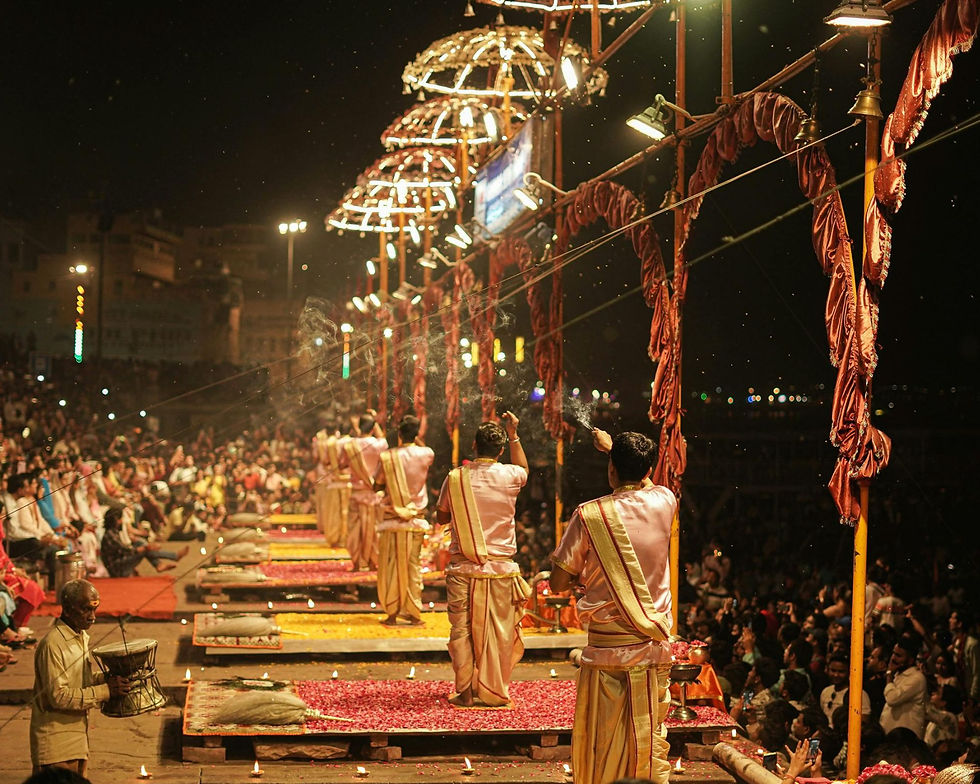
Vegetarian Travel in India: Easier Than You Think, but Not Always Simple

India is one of the easiest countries in the world to travel as a vegetarian. Millions of Indians follow vegetarian diets for cultural, religious or personal reasons, and almost every region has dishes that have been vegetarian for generations rather than adapted for modern diets.
That doesn't mean every menu is vegetarian, or that every restaurant prepares food the same way. Like many things in India, the answer depends on where you are, what you're ordering and how comfortable you are asking questions. The good news is that once you understand a few basics, eating well becomes one of the highlights of the trip.
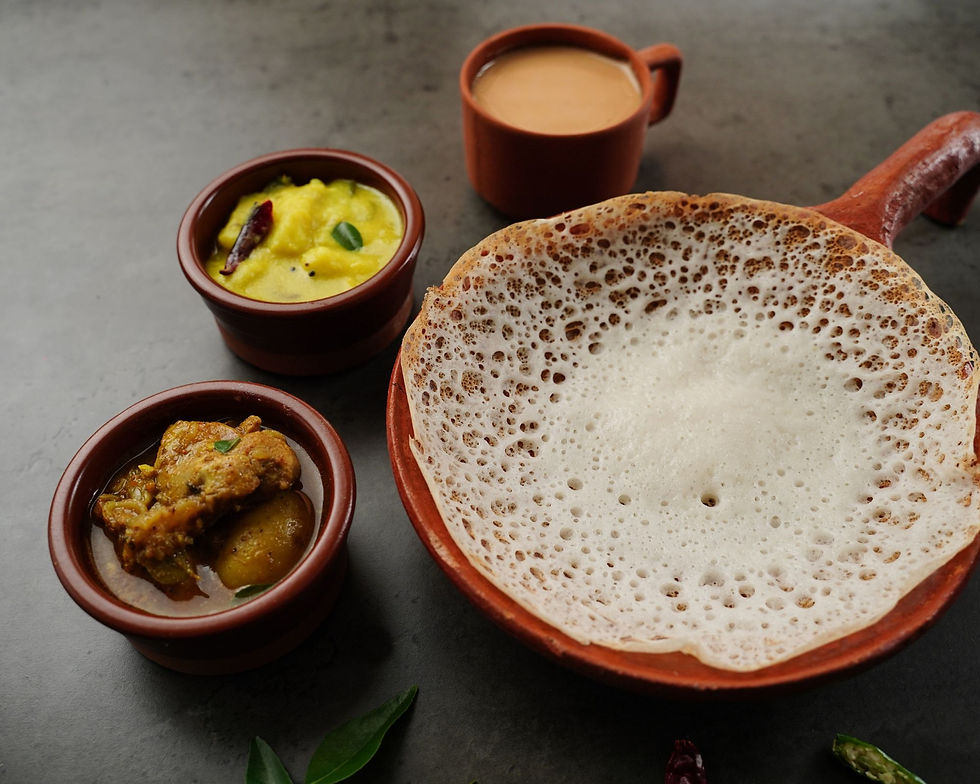
Vegetarian food varieties significantly vary across india
One of the biggest surprises for first-time visitors is how much vegetarian food changes from one region to another.
In Gujarat, vegetarian cuisine is deeply rooted in everyday life, and finding meat-free meals is rarely a challenge. Rajasthan also offers many traditional vegetarian dishes, partly because ingredients had to withstand the state's dry climate. Across much of Punjab, you'll find rich curries, lentils, breads and dairy-based dishes that have become familiar in Indian restaurants around the world.
Travel south to Kerala, however, and the flavors change completely. Coconut, curry leaves, rice, black pepper and tropical ingredients play a much larger role. Vegetarian food is still widely available, but it looks and tastes very different from what you may have eaten in London, Sydney or Los Angeles.
The lesson is simple: don't expect one "Indian cuisine." Think of each region as introducing a new one.
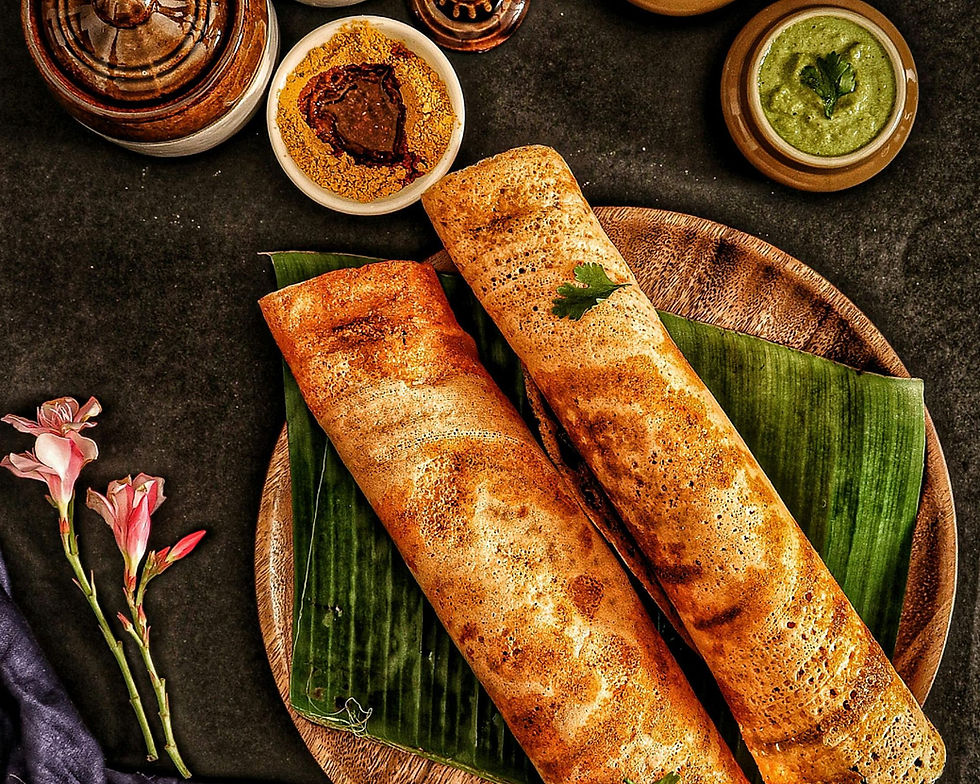
You'll see several kinds of vegetarian menus
Restaurants don't all use the same terminology. Many simply label dishes as Veg or Vegetarian. Others clearly separate vegetarian and non-vegetarian sections. You may also come across Jain food, prepared without root vegetables such as onions, garlic and potatoes in keeping with Jain dietary traditions. Even if you don't follow a Jain diet, it's helpful to know what the term means because many restaurants offer a separate Jain menu or can prepare certain dishes that way. If you follow a vegan diet, you'll need to ask a few more questions. Ghee, butter, yogurt, paneer and cream are common ingredients in many regions, particularly in North India.

Don't assume every restaurant serves the same food
One mistake many visitors make is ordering butter chicken for one meal and expecting the same menu everywhere else. India has countless regional specialties, and many restaurants focus on the cuisine of a particular state.
A Gujarati restaurant may serve an elaborate thali with several small dishes, breads, rice and desserts. A South Indian restaurant might specialize in dosas, idlis and uttapam. A Punjabi restaurant will likely offer different breads, lentils and curries than one serving food from Kerala or Bengal. Trying those regional differences is one of the pleasures of traveling through India.

Luxury hotels can be a wonderful introduction
If you're nervous about your first few meals, luxury hotels are often a comfortable place to begin.
Breakfast buffets usually include a wide selection of vegetarian dishes alongside international options, and restaurants are accustomed to accommodating dietary requests. Many chefs are happy to explain ingredients or suggest regional specialties. As your confidence grows, you'll probably find yourself exploring neighborhood restaurants, cafés and family-run establishments where local flavors become even more distinctive.
Street food is part of the experience—but choose thoughtfully
India's street food is legendary, and many iconic snacks are vegetarian. That doesn't mean you should eat from every stall you see. Busy vendors with high turnover are generally a better choice than quiet stalls where food has been sitting for long periods. Freshly cooked dishes served hot are usually a safer option than items prepared well in advance. If you're unsure, ask your hotel, guide or a trusted local where they like to eat. Some of the best recommendations never appear on travel websites.

A few dishes worth looking for
Rather than trying to find "the best vegetarian food," look for regional specialties.
Gujarati thali in Gujarat.
Dal baati churma in Rajasthan.
Sarson da saag and makki di roti in Punjab (seasonal).
Masala dosa in Karnataka and Tamil Nadu.
Appam with vegetable stew in Kerala.
Chole bhature in Delhi and North India.
Pav bhaji in Mumbai.
Ordering local specialties usually gives you a much better sense of a region than choosing the same familiar curry every evening.

A few practical tips
Bottled or filtered water is the safest choice unless your hotel specifically advises otherwise.
If you have allergies rather than preferences, explain them clearly and mention them more than once.
Carry a few familiar snacks for long road journeys, especially in more remote areas.
Don't hesitate to ask questions. Restaurant staff are generally happy to explain dishes or suggest vegetarian options.
One final thought
Many travelers arrive wondering whether they'll be able to eat as a vegetarian. They leave wondering how they're going to recreate some of those meals at home. India's vegetarian traditions are incredibly diverse, shaped by geography, religion, climate and local ingredients. The more you explore regional cuisines instead of searching for familiar dishes, the more rewarding your trip is likely to become. Come hungry—and come curious.