How to Plan Your First Trip to India Without Trying to See Everything

Updated: Jul 13
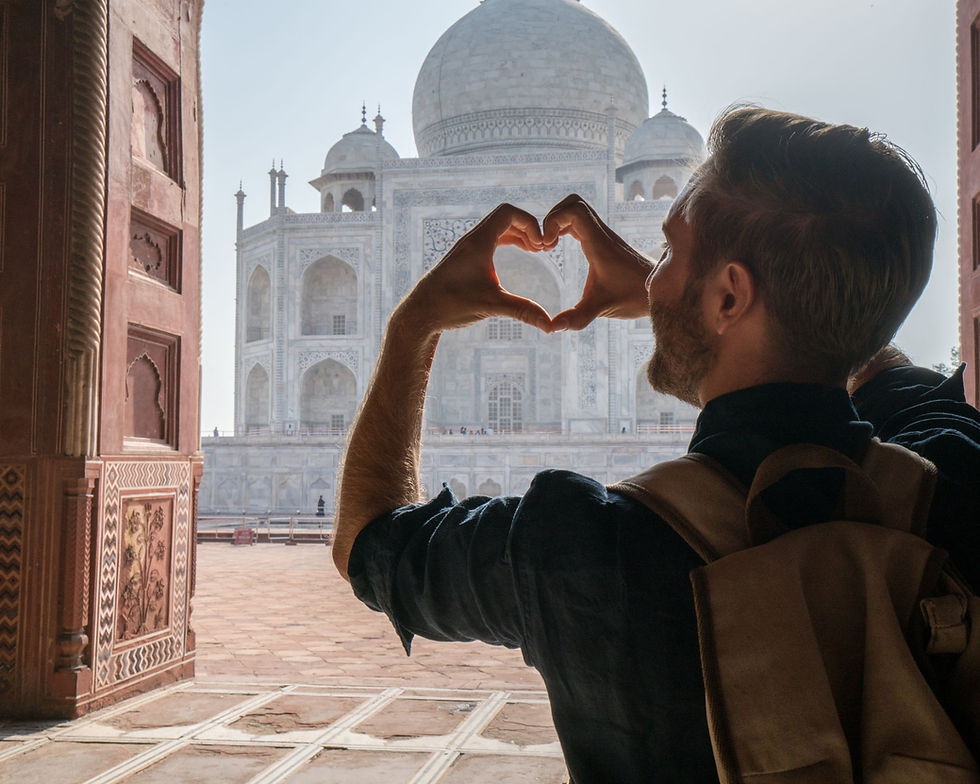
Planning a first trip to India is exciting, but it can also feel overwhelming. The country is vast, incredibly diverse and full of places you've probably heard about for years—the Taj Mahal, Jaipur's palaces, Kerala's backwaters, Mumbai's energy, Varanasi's ghats, Goa's beaches. Before long, a two-week holiday can turn into an itinerary that looks ambitious on paper but leaves little time to actually experience the places you've come to see.
The instinct is understandable. Few countries offer so much variety in one destination. The better approach isn't to see more. It's to choose more thoughtfully.
Start with the experience, not the map
Many first-time visitors begin by circling cities on a map. Delhi. Agra. Jaipur. Mumbai. Kochi. Udaipur.
Try reversing the process. Instead of asking where you want to go, ask what you want to experience.
Perhaps you're drawn to historic architecture and palace hotels. Maybe you're curious about India's textile traditions or want to spend time with local artisans. You may be planning a wellness-focused holiday, hoping to experience Ayurveda, yoga or simply a slower pace. Or perhaps food is your reason for coming, and you want to understand how regional cuisines differ from one another.
Once you know what kind of trip you're looking for, the destinations become much easier to choose.
Someone interested in wildlife will build a completely different itinerary from someone fascinated by architecture. A traveler looking for a restorative holiday will make different decisions than someone eager to explore museums, markets and contemporary culture. None of those choices is more "authentic" than another. They simply lead to different experiences.
We'll explore this in much greater detail in Which Part of India Should You Visit First?, where we compare regions based on the experiences they offer rather than ranking one destination against another.

Think about India the way you might think about Europe
One comparison often helps first-time visitors: Most of us wouldn't try to combine Rome, Edinburgh, Amsterdam and Athens into one short holiday simply because they're all in Europe. We understand that each city belongs to a different history, culture and landscape.
India deserves the same mindset.
Rajasthan, Kerala, Gujarat, Tamil Nadu and West Bengal are all part of the same country, but they offer very different experiences. Languages change. The food changes. Building styles change. Festivals, music, landscapes and even the pace of daily life vary from one region to another.
One of the simplest examples is bread. Many international travelers are familiar with naan because it's widely served in Indian restaurants overseas. Travel through India, though, and you'll quickly discover that naan is only one part of a much bigger story. Depending on where you are, you may be served roti, paratha, kulcha, appam, bhakri or breads you've never encountered before. They're not simply different names for the same thing. They reflect different ingredients, climates and regional traditions.
India works the same way. The more you allow each region to be itself instead of expecting one version of "Indian culture," the richer the journey becomes.
Give places time to surprise you
One of the biggest planning mistakes isn't choosing the wrong destinations. It's not giving the right ones enough time.
A rushed itinerary often becomes a series of hotel check-ins, airport transfers and quick photo stops. You visit the highlights, but the trip begins to blur together.
A slower itinerary creates space for the moments that rarely appear in guidebooks - It might be a conversation with someone explaining a craft that has been practiced in their family for generations. It might be discovering a neighborhood café your guide recommends, watching evening cricket in a local park or lingering in a museum because one exhibit caught your attention. Those experiences cannot be scheduled months in advance. They happen because you weren't already rushing to the next city.
For many first-time visitors, two or three destinations over two weeks provide a far more rewarding introduction than trying to fit in five or six. You'll spend less time in transit and more time understanding the places you've chosen.

Plan your energy, not just your route
A good itinerary has a rhythm. After several mornings visiting monuments and museums, you may appreciate an afternoon with no plans beyond wandering a neighborhood or relaxing in a garden. After a busy city, a few quieter days can completely change the pace of the trip.
This is one place where choosing the right hotel can genuinely improve your experience. The best luxury hotels don't simply offer beautiful rooms. They save time through good locations, make logistics easier and often connect guests with knowledgeable local guides, historians, chefs or artisans. Good hospitality gives you more energy for the experiences that matter.
Arrive prepared, but stay curious
It's worth learning a little before you arrive. Understanding regional differences, reading about local customs and knowing what to expect at places of worship will help you travel more confidently and respectfully.
At the same time, don't plan every hour. Some of the memories people talk about most aren't the ones they expected to have. They're the recommendation from a driver that led to a memorable lunch, the artisan who invited them into a workshop, the unexpected festival they happened to encounter or the evening walk that turned into an hour of people-watching.
Your first trip is the beginning
Most people leave India with a list of places they still want to visit. That's rarely because they planned badly. It's because India isn't a destination that can be understood in one journey. Every region opens the door to another, and every visit leaves you curious about somewhere else. If your first trip ends with the feeling that you'll come back one day, you've probably planned it exactly right.
Continue Planning Your India Trip
Next, explore:


