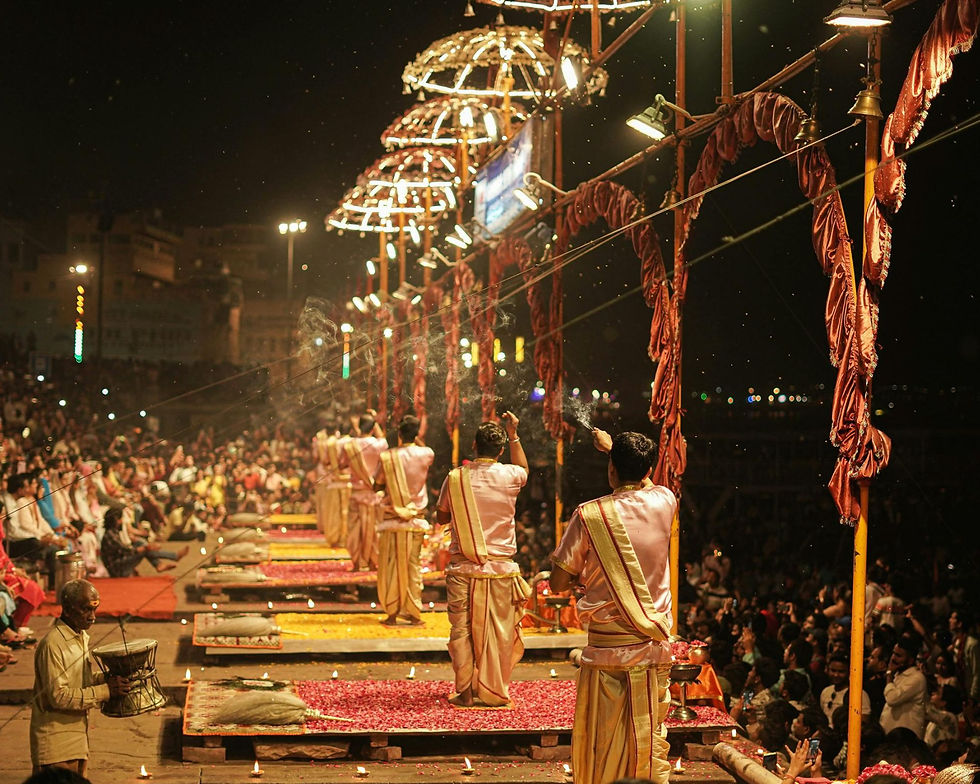
What Surprises First-Time Visitors to India (In the Best Way)

Every destination has a learning curve.
In Japan, it's figuring out the train system. In Italy, it might be adjusting to late dinners. India has its own rhythms too, but they're often different from what first-time visitors expect. Some surprises are practical. Others are cultural. Many are simply reminders that you're experiencing a country with extraordinary diversity, deep traditions and more than 1.4 billion people going about their daily lives.
The good news is that most of these surprises become part of what people remember most fondly about their trip.
The country feels very different from one region to another
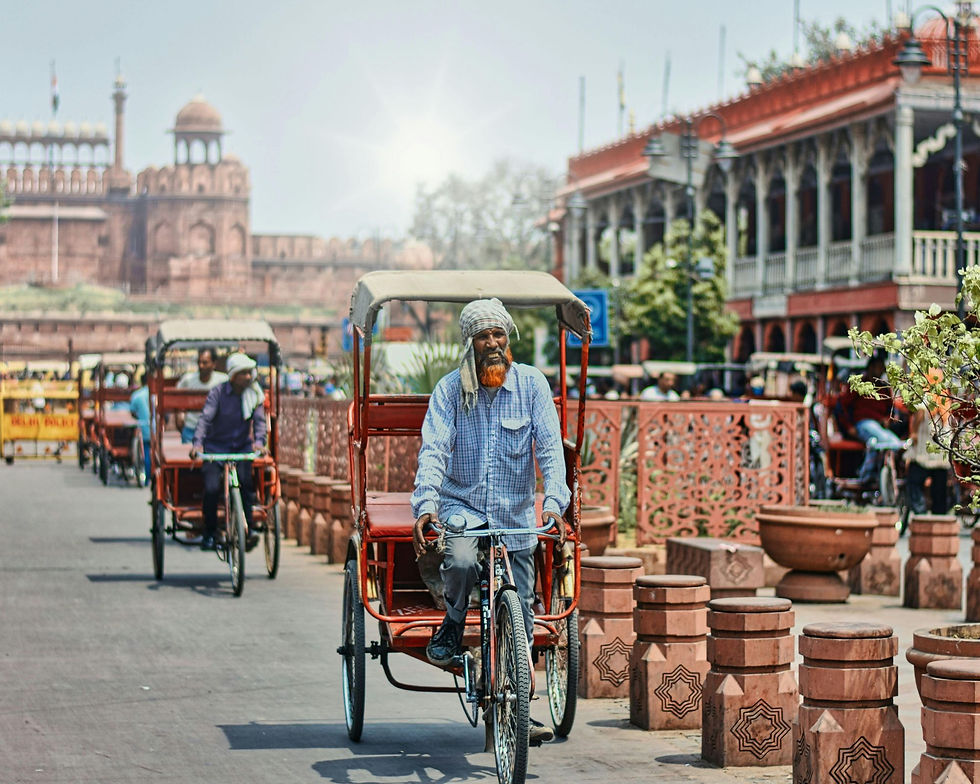
One of the biggest surprises is how quickly India changes. The architecture, food, languages, clothing, landscapes and even the pace of daily life can feel completely different as you move from Rajasthan to Kerala, from Mumbai to Ladakh or from Gujarat to West Bengal. If your first trip only covers one region, don't assume you've "seen India." You've experienced one part of it—and that's exactly how most great first visits begin.
People are often curious about visitors
If you're traveling outside the biggest tourist centers, don't be surprised if someone asks where you're from or starts a friendly conversation. In many parts of India, international visitors are still relatively uncommon, and curiosity is usually just that—curiosity. You may even be asked for a photograph, particularly in smaller towns or at popular attractions.
If you're comfortable, it's often a pleasant opportunity to connect with people. If you're not, a polite smile and "No, thank you" is perfectly acceptable.

English is more widely spoken than many travelers expect
India has hundreds of languages, but English is widely used in hotels, airports, restaurants, tourism and business. That doesn't mean everyone speaks English fluently, especially in rural areas, but most international travelers find it easier to communicate than they expected. Learning a few local greetings is always appreciated, but don't worry if you don't speak Hindi or another Indian language.
You'll probably take off your shoes more often than you expect
Removing your shoes before entering temples is common, but you may also be asked to do the same when visiting someone's home or certain traditional businesses. It's a simple gesture of respect and quickly becomes part of the rhythm of traveling in India. Slip-on shoes can make those visits a little easier.

Distances on the map can be misleading
India is a large country, and travel often takes longer than visitors expect. A journey that looks short on a map may include city traffic, mountain roads or slower highways. That's one reason we recommend spending more time in fewer places instead of trying to visit a new city every day. When in doubt, assume you'll enjoy your trip more by slowing down.
Food changes dramatically from one region to the next
Many people arrive expecting "Indian food." What they discover is dozens of regional cuisines. The breads in Rajasthan are different from those in Kerala. A Gujarati thali offers a completely different meal from one in Punjab. Coastal cooking bears little resemblance to food from the Himalayan states.
If you enjoy trying local specialties, every new destination becomes part of the adventure.
Domestic flights are part of everyday travel
Many travelers imagine exploring India primarily by train. Trains remain an important part of the country's transport network, but domestic flights have made traveling between regions much easier. Flying from Rajasthan to Kerala or from Mumbai to Kolkata is often the most practical use of your time, especially on shorter itineraries.

Security is more visible than some visitors expect
At airports, shopping malls and many luxury hotels, you'll notice security checks before entering. This is a normal part of daily life in India and rarely adds much time to your day. After your first few encounters, it quickly becomes routine.
Hospitality is genuine
One of the things travelers remember most is how welcoming people can be. A hotel concierge may spend twenty minutes helping you plan the next day's sightseeing. A shopkeeper might explain how something is made before you even think about buying it. A family may proudly recommend their favorite local restaurant. Accept those conversations with curiosity. They often lead to experiences that never appear in guidebooks.

You don't have to do everything
This may be the biggest surprise of all. Many first-time visitors arrive thinking they need to see every famous monument, visit every major city and tick off every attraction. Then, they discover that some of their favorite memories came from a morning spent wandering a neighborhood, a long lunch overlooking a lake, a conversation with an artisan or an extra night in a place they hadn't expected to love.
India doesn't reward rushing. It rewards curiosity. If your first trip leaves you excited to return—and it often does—that's not because you planned poorly. It's because you discovered that one visit is only the beginning.
Continue Planning Your India Trip
How to Plan Your First Trip to India Without Trying to See Everything
Vegetarian Travel in India: Easier Than You Think, but Not Always Simple