Tribal Rituals of Himachal Pradesh: The Healing Rituals of Wild Edible and Medicinal Plants

Updated: Aug 10, 2025
While the benefits of nettle leaves (bichu butti) are widely known, I want to share a personal moment of wonder—the surprising relief they brought me during my menstrual pain.
In the early winter of Himachal, the temperature had started to drop. My mother was in the kitchen, cooking, while my grandmother sat next to her, knitting a sweater.
I woke up and went to the kitchen, experiencing severe stomach pain due to my menstrual cycle. My grandmother asked me what had happened. I told her about my pain and asked what she used to do when she experienced menstrual pain.
She smiled and told me about bichu butti tea—or nettle leaf tea—for menstrual relief. I asked her about the process of making the tea.
The Ritual of Tea
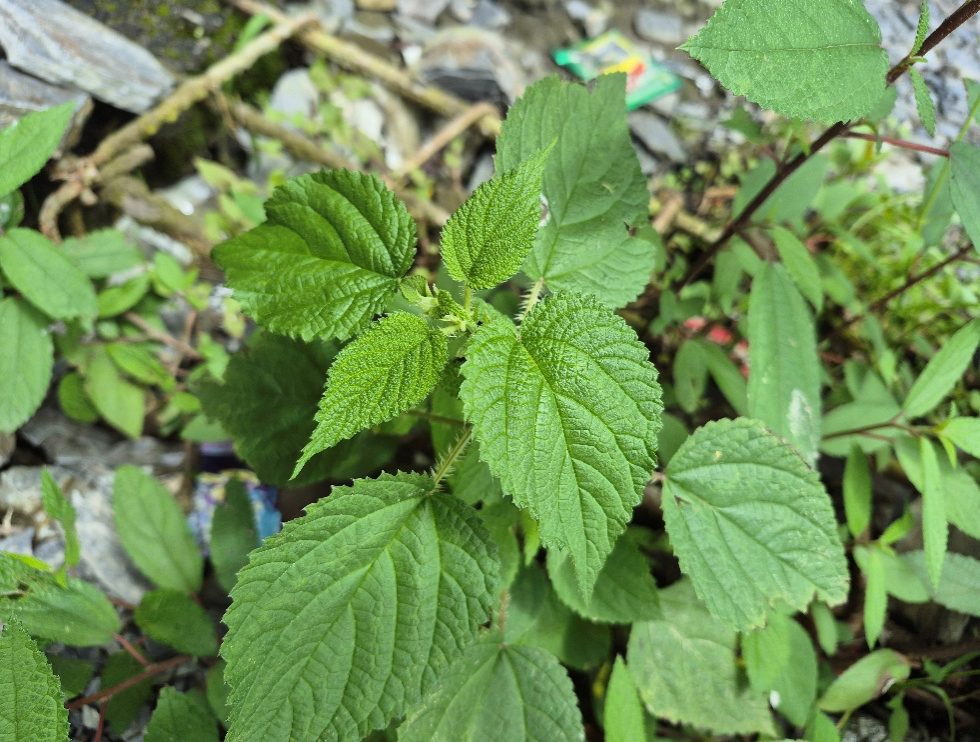
My grandmother said, "I will teach you practically." She held my hand, and we both went to the farm in our village. She took her serrated sickle to cut the bichu butti leaves (as they have stinging, pointed hairs on the surface).
She cut the leaves and put them inside a bag. We both came back home, and she began making the bichu butti tea.
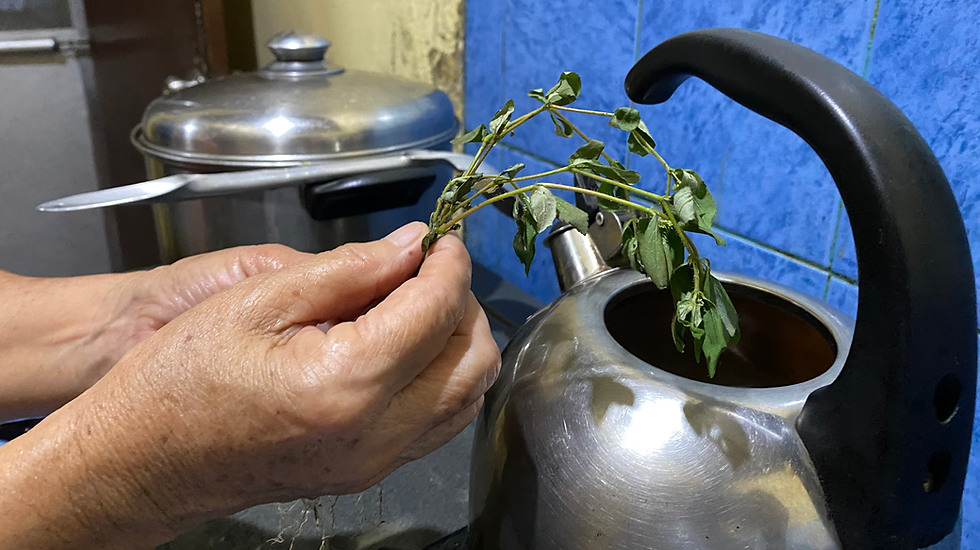
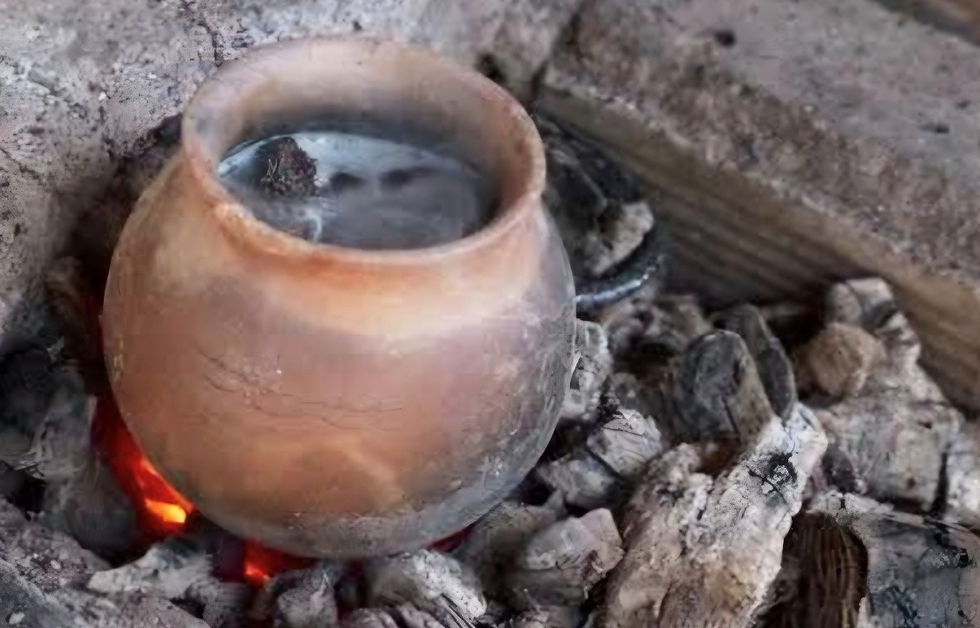
She used her traditional vessel to boil water and added the bichu butti leaves to the warm water. Then she also added some ginger, a little garlic, peppermint, and chamomile, and crushed them together in the okhli (mortar). Once the paste was ready, she added it to the boiling water where the nettle leaves were already simmering.
What Happened Next
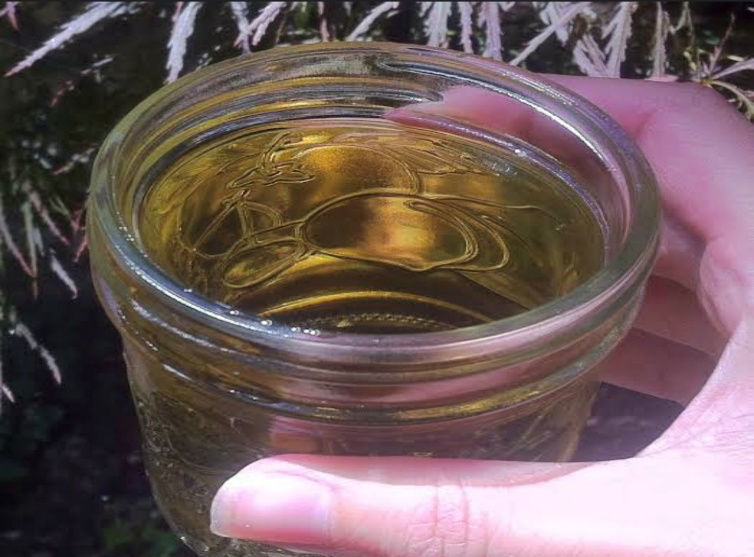
After 5–6 minutes, she removed the tea from the stove. After straining, she poured the tea into a cup and gave it to me.
I felt more clear-headed after drinking the traditional tea. Within an hour and a half, it reduced my menstrual pain. Not only did I feel refreshed, but it also helped reduce the heavy bleeding I was experiencing, as nettle is a good source of iron.
My grandmother also told me about the other benefits of nettle leaves—they are rich in vitamins A, C, and K. They help treat arthritis, anemia, and allergies, and are also beneficial for managing blood pressure and kidney health.
We also used other herbs in the tea:
Ginger – has anti-inflammatory effects
Garlic – contains antiviral properties
Peppermint – contains menthol, which helps reduce pain
These rituals have endured not through written words, but through living memory and practice. Now, whenever I feel pain, I prepare the tea and drink it with joy and satisfaction. I also give this tea to my mother to relieve her joint pain.
We still make nettle tea every winter—it’s a small habit that reminds us of what’s been passed down.
In the end, it’s more than just tea. It brings warmth, yes—but more than that, it connects us.
This article focuses on healing rituals of Nettle Leaves / Urtica, used by the tribal people of the Indian state of Himachal Pradesh.