Paris Travel Guide: What to Do, How to Experience the City, and What’s Actually Worth Your Time

Paris is defined by its architecture, museums, and public life, but its most functional asset for the traveler is density. Most major landmarks sit within a compact core, allowing for an efficient itinerary if planned by geography.
The most effective way to experience Paris is to limit lateral movement, prioritize a small number of meaningful stops, and use walking as the primary mode of exploration. Poor planning leads to unnecessary transit, long lines, and avoidable fatigue.
The Walkable Zones
Rather than navigating by arrondissement numbers, think of the city in four walkable clusters:
Central Paris (1st–7th): The Louvre, the Seine, and the Eiffel Tower.
The Left Bank: The Latin Quarter and Luxembourg Gardens; characterized by a slower pace and café culture.
The Right Bank: Large boulevards, Le Marais, and major shopping districts.
The Northern Edge: Montmartre and Sacré-Cœur

Core Experiences
To maintain a sustainable pace, focus on these foundational sites and the movement between them:
The Louvre Museum: Do not attempt total coverage. Enter with a defined plan for one specific wing or set of works.
Sainte-Chapelle: Essential for its stained glass; a high-impact, relatively short visit.
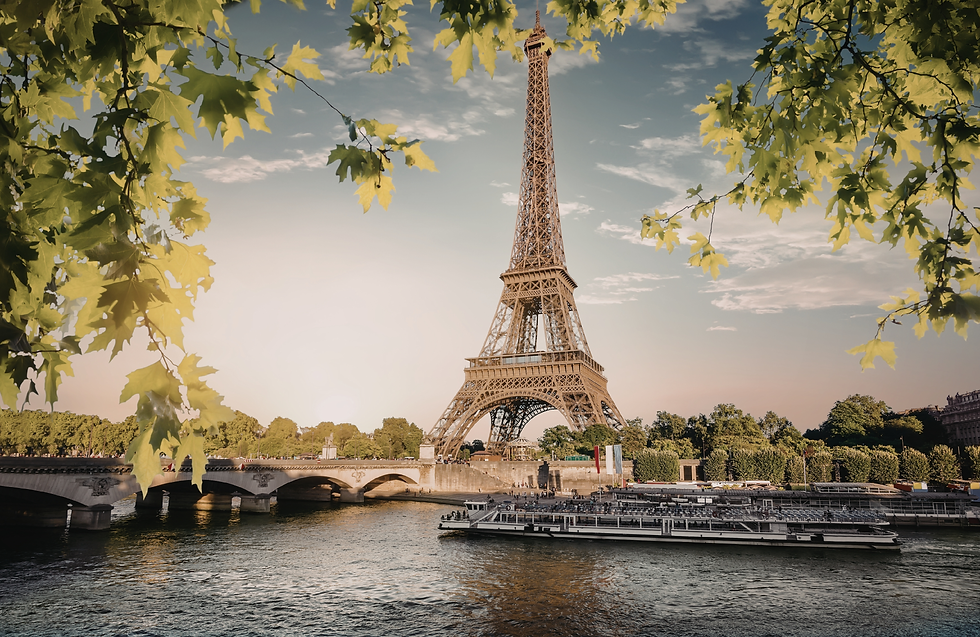
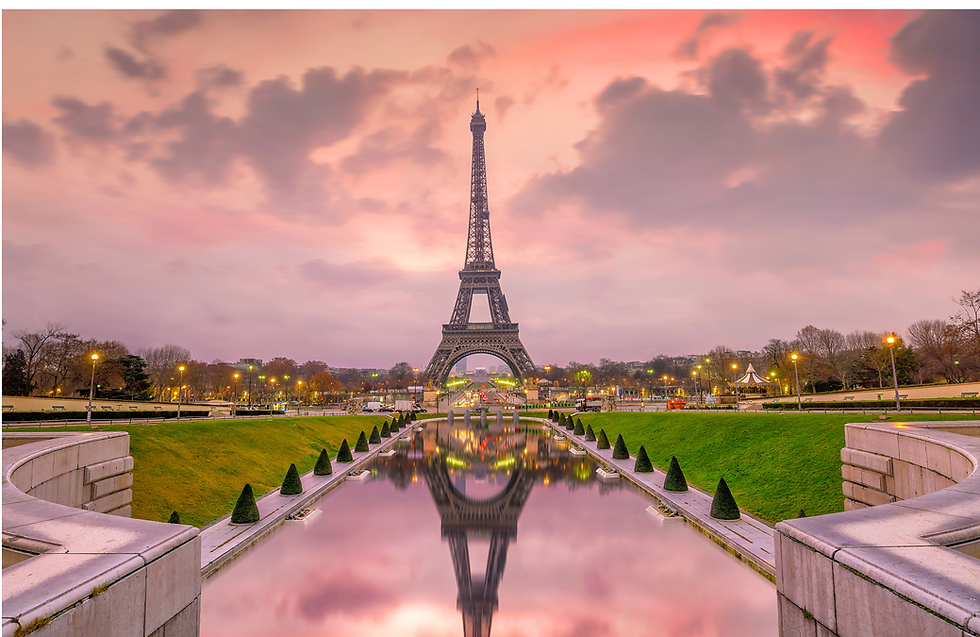
Eiffel Tower: The landmark is best viewed from Trocadéro or the Seine. Ascent is optional and should be prioritized only if the view is what you care about the most!
The Seine: The river is the city’s primary orientation tool. A walk or boat cruise helps establish a spatial understanding of Paris.
Luxembourg Gardens: A functional public space. Use this as a designated point to slow down.
Le Marais & Latin Quarter: These neighborhoods are best utilized as unstructured "exploration blocks" for walking and casual dining.
A Realistic 2–3 Day Itinerary
Day 1: The Central Axis
Morning: Focused visit to the Louvre or an exterior walk through the Tuileries.
Midday: Cross to Île de la Cité for Sainte-Chapelle and Notre-Dame (exterior).
Afternoon: Walk along the Seine toward the Eiffel Tower. End with a river cruise to see the city illuminate.
Day 2: Neighborhood Depth
Option A (The Artistic Left Bank): Morning at Musée d'Orsay, followed by an afternoon in the Latin Quarter and Luxembourg Gardens.
Option B (The Historic Right Bank): Early morning in Montmartre to avoid crowds, then a descent into Le Marais for afternoon exploration.
Option C (Day Trip): A full-day commitment to Versailles or Disneyland Paris.
Day 3: The Flexible Buffer
Use this day to revisit a favored neighborhood or catch sites missed due to fatigue. Avoid adding new major museums; instead, focus on the Champs-Élysées, the Arc de Triomphe, or local parks.

Wellness and Food Rhythm
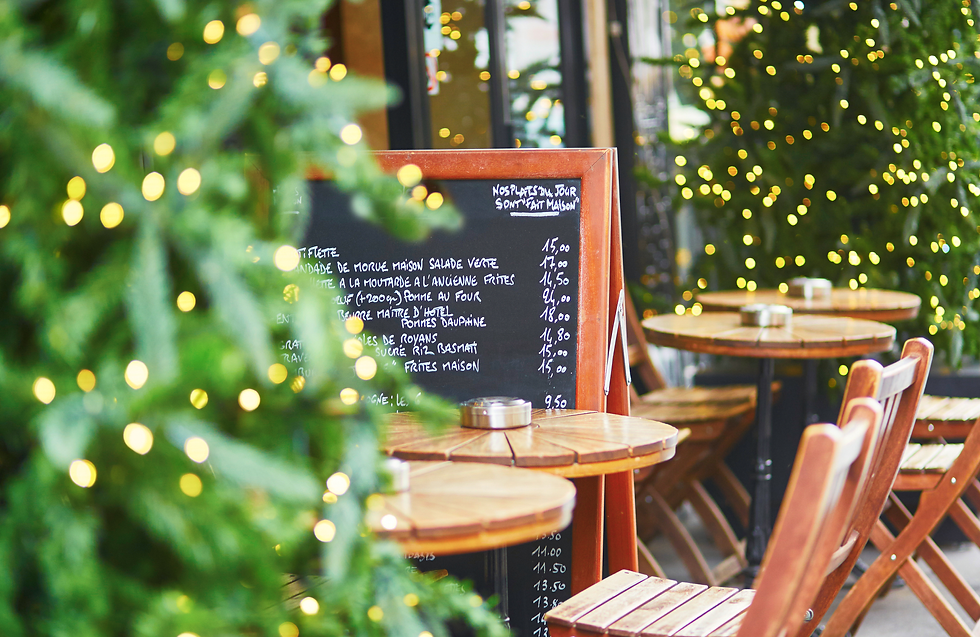
Wellness in Paris is built into daily routine. It is found in the "everyday rituals" of rhythmic walking, seasonal awareness, and a structured approach to dining. Meals are spaced, portions are moderate, and eating is rarely rushed.
The Tradition of Meat: For those exploring French classics, the focus is on slow-cooked excellence. Iconic dishes like Boeuf Bourguignon (beef braised in red wine) or Confit de Canard (duck slow-cooked in its own fat) reflect a culture that values patience in preparation.
Bistro Staples: The Steak Frites or a classic Croque-Monsieur (ham and cheese) represent the city’s ability to turn simple ingredients into efficient, high-protein meals.
Plant-Forward Evolution: Modern bistros, particularly in Le Marais, now prioritize seasonal produce. This makes plant-forward eating—centered on legumes, ancient grains, and fresh vegetables—a seamless part of the city’s evolving food landscape.
Intentional Pacing: Regardless of whether the menu is meat-centric or plant-based, the "wellness" is found in the sitting. Time spent at a café is a functional pause for the body to recover from the day's walking.