Is the Eiffel Tower Worth Going Up? What to Know Before You Book

Eiffel Tower is the defining landmark of Paris, but visiting it involves two separate decisions: seeing it and going up it.
Seeing it is essential. Going up is optional.
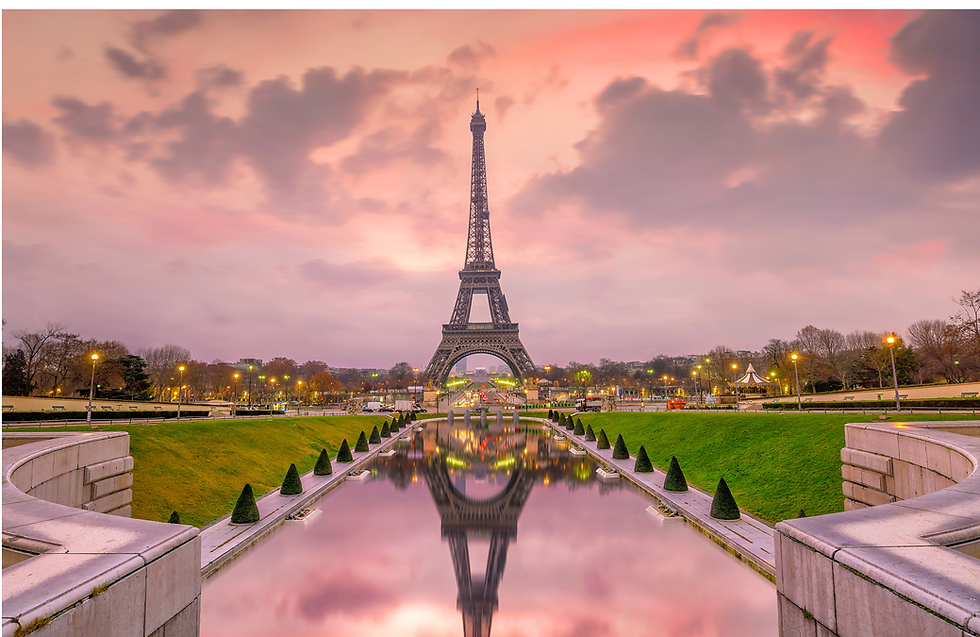
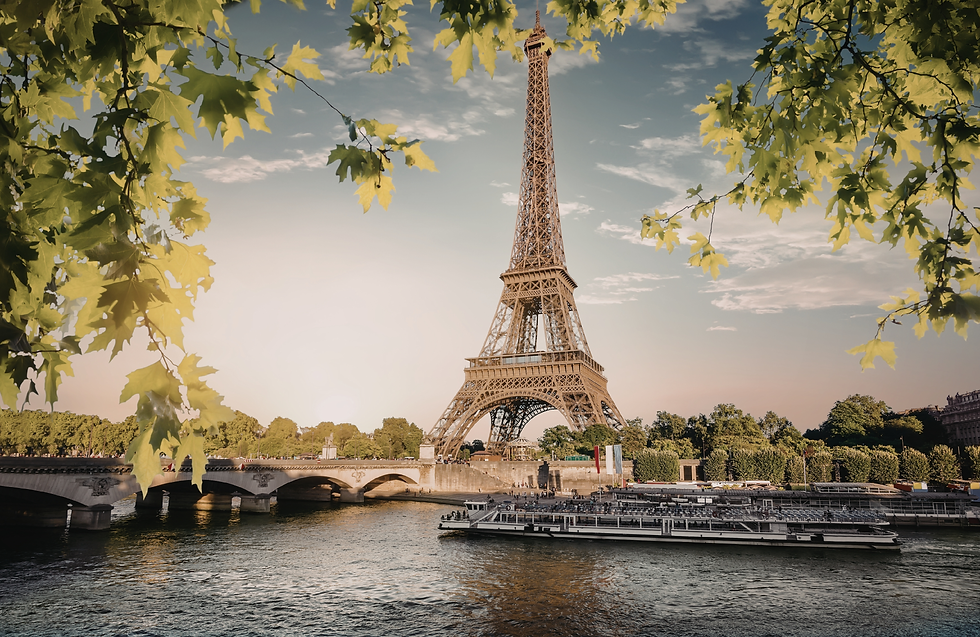
From the ground—especially around Trocadéro or along the Seine—the tower is at its most visually effective. From the top, the view is wide, but the tower itself is no longer part of the experience.
Is It Worth Going Up?
The answer is not straightforward because the experience depends heavily on timing and expectations.
On one of our visits, access to the tower was closed due to a safety incident, which meant the plan to go up never materialized. The experience was limited to seeing the structure from the outside, which, in practice, still felt complete.
On a second visit, going up was possible—but in the late evening. While the city lights were visible, the broader layout of Paris was not. Landmarks blended into the dark, and it was difficult to orient visually or take meaningful photographs. The experience was technically complete but less useful.
Taken together, this reflects the core trade-off. Going up the Eiffel Tower can feel worthwhile, but only under the right conditions. Otherwise, it becomes a time-consuming activity with limited return.
When It Actually Works
Going up the Eiffel Tower makes the most sense when:
you visit during daylight or early evening
visibility is clear
you have a timed ticket and avoid long waits
Under these conditions, the view helps you understand the structure of Paris—its avenues, the Seine, and the distribution of landmarks.
When It Doesn’t
The experience is less effective when:
you go late at night and lose visual clarity
you visit during peak hours and spend excessive time waiting
you expect a flexible or relaxed experience
In these cases, the visit becomes more about completing the activity than gaining value from it.
Better Ways to See Paris from Above
If your goal is a clear view of the city, other locations are often more efficient. The top of the Arc de Triomphe provides a central view with Paris laid out in a structured way. It is easier to access and requires less time. The Montparnasse Tower offers a more complete skyline because the Eiffel Tower itself remains visible in the frame. From Sacré-Cœur, the view is broader and more atmospheric, though less precise.
Tickets, Timing, and Strategy
Tickets are structured based on access level and whether you use stairs or elevators. Elevator access to the summit is the most common choice and should be booked in advance during peak periods.
Timing matters more than ticket type. Early morning and late afternoon provide better visibility and shorter wait times. Midday is the most crowded, while late-night visits reduce visibility.
SO - If going up the Eiffel Tower is important to you, do it once—but do it at the right time. If not, you can still experience it fully from the ground and through other viewpoints.
Continue Planning Your Paris Trip
For a complete Paris travel guide covering what to do and how to structure your itinerary, read our Paris travel guide.
For a detailed breakdown of where to stay in Paris, see our accommodation guide.
For a practical guide to food in Paris, see our food guide.