How to Experience Barcelona: A Walkable, Coastal City Guide

Barcelona is one of the most manageable cities in Europe, but its logic requires an understanding of its distinct zones. The city is structured by its historic center, the Eixample grid, residential pockets like Gràcia, and a developed coastline. While these areas are geographically close, moving between them without a plan can make a day feel disjointed.
The city functions best when you concentrate your time within one or two contiguous areas. Once you adopt this neighborhood-first approach, distances feel shorter and the daily rhythm becomes more natural.

Where You Stay Sets the Tone
Location in Barcelona dictates the pace of your trip. While the metro system is excellent, your "home base" determines how much of the city you experience on foot.
Staying near the center—specifically the Gothic Quarter (Barri Gòtic) or Eixample—places major landmarks and transit hubs within immediate reach. This is ideal for those who prefer to step out in the morning without navigating a commute.
Alternatively, staying near the water in Poblenou or near Barceloneta Beach offers a more open, Mediterranean atmosphere. The trade-off is a heavier reliance on the L4 metro line or taxis to reach the historic and architectural centers. Apartment-style stays are particularly effective in Barcelona, providing the necessary space to integrate local market finds into a daily routine.
Plan Your Days by Area, Not by Attraction

To avoid "tourist fatigue," organize your itinerary by geographic clusters rather than scattered landmarks.
The Old City (Ciutat Vella)—comprising the Gothic Quarter, El Born, and El Raval—is dense and layered. You will likely spend more time here than anticipated, as the narrow, winding streets are designed for discovery rather than speed.
In contrast, the transition into Eixample brings wider sidewalks and a structured grid that makes movement predictable. Further north, Gràcia maintains a village-like feel—quieter, more local, and less defined by major monuments. Attempting to bridge these distinct areas in a single afternoon often leads to unnecessary backtracking.
Gaudí’s Architecture Requires Advance Planning
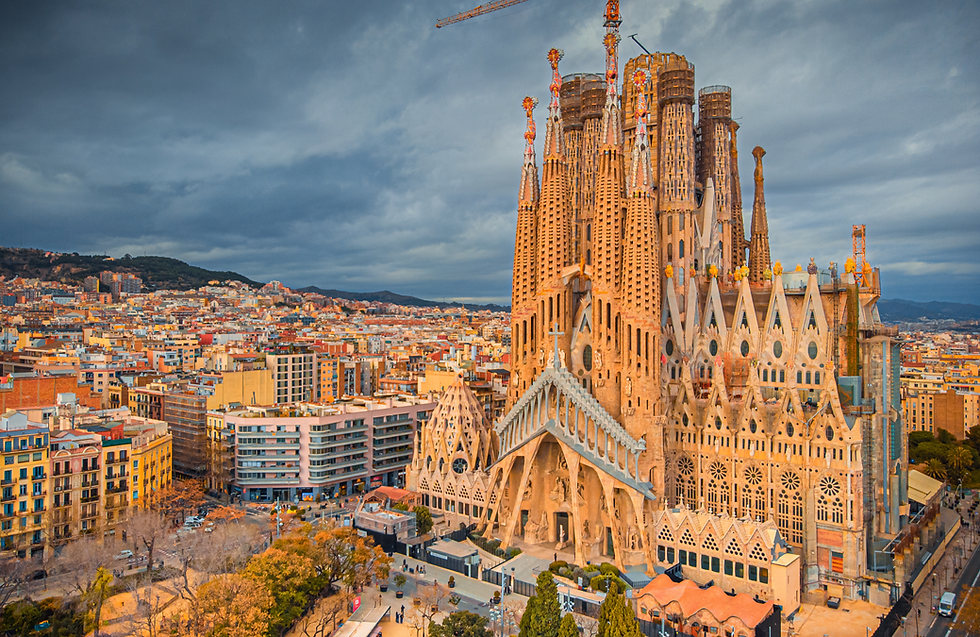
The architectural identity of Barcelona is inseparable from Antoni Gaudí, but his masterpieces are spread across the city and require logistical foresight.
Sagrada Família: Located in its own dedicated area; strictly requires timed entry.
Park Güell: Situated on a hill in the Gràcia/Horta-Guinardó border; involves significant walking and uphill climbs.
Casa Batlló and Casa Milà (La Pedrera): Located on the Passeig de Gràcia in Eixample.
These sites are high-traffic. Visiting the Sagrada Família without a pre-booked ticket is no longer viable for most travelers. To maintain a "slow" pace, limit yourself to one major Gaudí site per day to allow for the neighborhood exploration that surrounds them.
The Coastline Changes the Rhythm

The shift from the density of the historic center to the Mediterranean coastline is immediate. The seafront promenade offers a mental and physical break from the city's interior.
This area requires the least amount of structure. Whether walking the promenade from Vila Olímpica to Barceloneta or sitting by the water, the coastline is where Barcelona feels less like a museum and more like a functional, living city. It is best used as a "reset" point in your itinerary.
Food Fits Into the Day Without Effort
The city’s food culture is built on flexibility, from the historic stalls of La Boqueria and Santa Caterina markets to the tapas bars found on nearly every corner. The most efficient way to eat well is to remain within the neighborhood you are currently exploring. Crossing the city specifically for a "famous" restaurant often results in lost time that could be better spent at a high-quality local spot nearby. Catalan cuisine emphasizes seasonal ingredients, so look for menú del día (fixed-price lunch) options in Eixample or Gràcia for an authentic experience.

Getting Around Is Straightforward
While Barcelona is highly walkable, the incline of the city (sloping upward from the sea toward the mountains) means you will occasionally need transit. The T-Usual or T-Casual cards are cost-effective options for the metro and bus network. Taxis are plentiful, regulated, and relatively affordable for short transfers between neighborhoods like Eixample and the beach.
Barcelona balances density with openness. By focusing your days geographically, avoiding the urge to "see it all" in 48 hours, and respecting the city's natural layout, the experience becomes clear, manageable, and far more rewarding.

