Where to Stay in Amsterdam: Best Areas, Canal Hotels, Apartment Stays, and Practical Tips

Amsterdam is compact, walkable, and well connected by trams, ferries, and bike routes, but where you stay still changes the rhythm of the trip. Some neighborhoods are beautiful but crowded from morning to night. Others feel calmer and more residential while still keeping museums, cafés, and canal walks within easy reach.
Amsterdam also works differently from many American cities. Hotel rooms are often smaller, canal houses come with steep stairs, and most people move through the city on foot, by bike, or via public transit instead of relying on cars.
For most travelers, the best Amsterdam experience comes from staying somewhere that allows you to slow down a little. A neighborhood where you can walk out for coffee in the morning, return to the hotel during the afternoon if needed, and spend evenings by the canals without crossing the city repeatedly.
Best Area for First-Time Visitors: Canal Ring

The Canal Ring is the classic Amsterdam most visitors picture before arriving: narrow canal houses, bridges, boats moving quietly through the water, and streets that stay active late into the evening.
For a first trip, this is usually the most convenient place to stay. You can walk to major museums, restaurants, canal cruises, shopping streets, and many of the city’s best-known neighborhoods without depending heavily on transit.
The tradeoff is price. Rooms here are smaller and more expensive than many travelers expect, especially during spring and summer. Some streets also stay busy well into the night. If budget allows, though, staying within the Canal Ring or near Jordaan usually creates the best overall experience because you spend less time commuting and more time actually enjoying the city.
One of the strongest luxury options in the city. The hotel spreads across historic canal houses and feels distinctly Amsterdam rather than corporate. The location also works extremely well for walking.
Central, comfortable, and easier on the budget than ultra-luxury canal hotels while still feeling memorable.
Popular with younger travelers and creative professionals. Good location near the Nine Streets area with plenty of restaurants and cafés nearby.
Jordaan: Best for a Slower, More Residential Feel

Jordaan sits just west of the Canal Ring and works especially well for travelers who want Amsterdam to feel lived-in rather than overly touristic.
The neighborhood is filled with quieter canals, bookstores, bakeries, small restaurants, local cafés, and side streets that are enjoyable to wander without a strict itinerary. It is still central enough to walk almost everywhere, but evenings generally feel calmer than the busiest canal areas. Jordaan works particularly well for couples, solo travelers, and longer stays. You can spend an entire morning here without planning much beyond coffee and a walk.
Small rooms, but an excellent location and relaxed atmosphere.
A comfortable boutique-style stay that feels connected to the neighborhood instead of tourist-heavy.
Oud-Zuid: Museums, Parks, and Larger Luxury Hotels
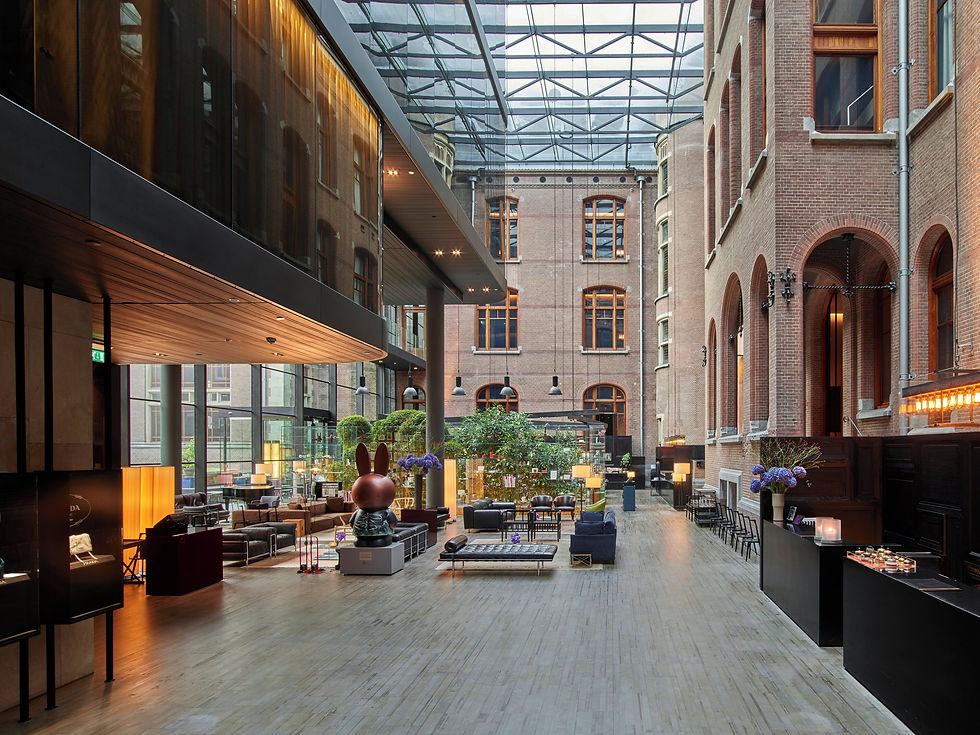
Oud-Zuid feels more spacious and polished than the older canal center. This is the best area for travelers prioritizing museums, quieter evenings, larger hotel rooms, and easier access to parks and shopping.
The neighborhood is home to the Rijksmuseum, Van Gogh Museum, and Vondelpark, which becomes especially active during warmer months with walkers, runners, and picnics spread across the lawns. For families or travelers who prefer comfort over historic charm, this area often works better than the tighter canal core.
De Pijp: Restaurants, Cafés, and Younger Energy
De Pijp is located directly east of the Museum Quarter (the heart of Oud-Zuid) and south of the canal ring. It feels younger, busier, and more local than the central canal district. This is a good area for travelers who care more about restaurants, cafés, markets, and nightlife than postcard views from the hotel window.
The neighborhood is home to Albert Cuyp Market along with a large mix of international restaurants, coffee spots, bakeries, wine bars, and vegetarian-friendly dining. It is also one of the easier areas for longer casual evenings without needing reservations everywhere.

For remote workers, friend groups, and repeat visitors, De Pijp often feels more practical and relaxed than staying directly in the historic center.
One of Amsterdam’s top luxury hotels, known for its spa, indoor pool, and larger rooms. Strong option for travelers blending culture with wellness and downtime.
A quieter luxury stay slightly outside the busiest tourist areas with well-known restaurants inside the hotel.
A more approachable boutique option near museums, cafés, and De Pijp.
Apartment Stays and Longer Trips

Amsterdam works very well for apartment-style travel, especially for families, longer stays, or travelers who want access to a kitchen. Grocery stores such as Albert Heijn, Jumbo, and Ekoplaza make it easy to build simple breakfasts, salads, snacks, soups, or wine-and-cheese evenings back at the apartment.
That flexibility matters in Amsterdam because restaurant dining adds up quickly, and the city naturally encourages a slower daily pace.
One of the best apartment-style stays in the city. Designed for longer visits with kitchen setups, workspace areas, and a calmer atmosphere.
Useful for families or groups needing more space than traditional canal hotels provide.
Should You Stay Near the Central Station?
Amsterdam Centraal station is convenient for train access and airport transfers, but it is not always the best area for atmosphere. The streets nearby are busy, crowded, and heavily tourist-oriented.
If you only have one or two nights in Amsterdam, staying nearby can simplify logistics. For longer trips, Jordaan, Oud-Zuid, or the Canal Ring usually feel more enjoyable and less hectic.

Booking Tips
Amsterdam hotel inventory is smaller than many travelers expect, especially in historic areas. Good canal hotels often sell out months ahead during tulip season, summer, and holiday periods.
Historic buildings also come with practical challenges. Many canal hotels have steep staircases, narrow hallways, and smaller elevators. If accessibility or heavy luggage matters, confirm elevator access carefully before booking.
It is also worth spending slightly more for location. Staying farther outside the center to save money can easily add transit time, extra walking, and inconvenience every day.


