What to Eat in Amsterdam: Indonesian Rijsttafel, Dutch Cafés, Michelin Dining, and Vegetarian-Friendly Restaurants

Amsterdam is not a city built around one defining cuisine in the way Rome, Tokyo, or Bangkok might be. Food here reflects trade history, colonial influence, café culture, seasonal ingredients, and a population that eats internationally while still holding onto certain Dutch traditions.
That means a good Amsterdam food trip usually includes a mix of things: Indonesian rijsttafel, canal-side cafés, fresh bakery breakfasts, modern Dutch tasting menus, fries eaten standing outside, and slower dinners that stretch well into the evening.
The city also approaches dining differently from many American cities. People sit longer, coffee breaks become full conversations, and restaurants often feel more relaxed than their Michelin status would suggest. At the same time, reservations matter. Amsterdam is compact, dining rooms are smaller, and many of the city’s best restaurants fill quickly, especially on weekends.
What Is Dutch Food?

Traditional Dutch food developed around practicality, weather, farming, and trade. Historically, meals focused on bread, potatoes, cheese, vegetables, smoked meats, soups, stews, fish, and preserved ingredients that could survive colder seasons.
You still see that influence in modern Amsterdam through foods like bitterballen, fries with mayonnaise, smoked eel, pea soup, stamppot, pancakes, cheeses, apple pie, and raw herring sold from street stands. None of it is especially delicate or overly refined. Dutch food is generally straightforward, filling, and built around comfort rather than presentation.
For many visitors, though, Dutch food becomes more interesting when paired with the city’s café culture. Brown cafés, canal bars, bakeries, and casual neighborhood restaurants give context to the food in a way that formal restaurant lists cannot.
Places like Café Papeneiland and Cafe Winkel 43 are known for Dutch apple pie and traditional café interiors, while casual stops such as Fabel Friet remain popular for fries served with heavy toppings and sauces. These are not necessarily destination meals on their own, but they help explain how Amsterdam eats socially and casually throughout the day.
Indonesian Food Is Essential to Understanding Amsterdam
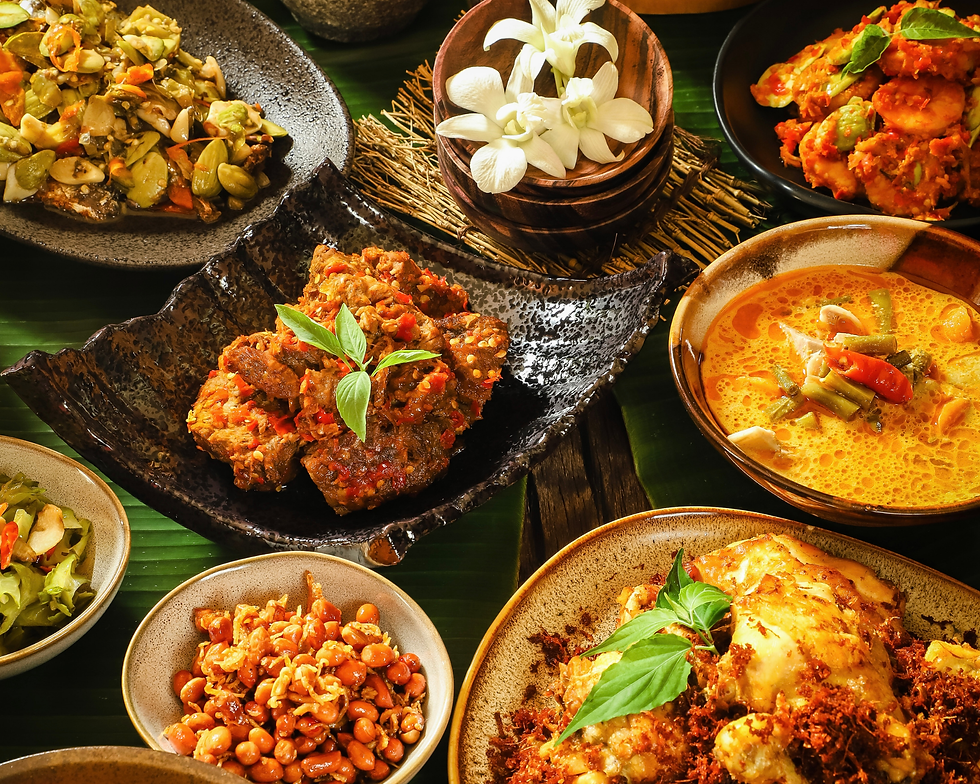
The most important meal to experience in Amsterdam is usually Indonesian rijsttafel, a dining style shaped by Dutch colonial history in Indonesia.
Rijsttafel translates loosely to “rice table” and involves multiple small dishes served together across the table: curries, satays, vegetables, sambals, rice, eggs, peanuts, pickled items, and slow-cooked meats or plant-based dishes layered into a long shared meal.
It is one of the clearest examples of how colonial history still shapes modern Amsterdam culture. For visitors, it also tends to be one of the most memorable meals of the trip because of the variety and pace of the experience.
Sama Sebo remains one of the city’s classic introductions to rijsttafel, while Restaurant Blauw offers a more modern atmosphere with strong vegetarian options alongside traditional dishes.
Travelers looking for something slightly more casual often end up at Kartika but Reddit and Google users have reported disturbing experiences.
Modern Amsterdam Dining

Amsterdam’s restaurant scene feels more relaxed than many travelers expect. Even Michelin-starred restaurants often avoid the formal atmosphere associated with fine dining elsewhere in Europe.
There is also a noticeable focus on vegetables, sustainability, greenhouse growing, local sourcing, and seasonal menus. That reflects the city itself. Amsterdam tends to approach luxury in a quieter way, focusing more on quality ingredients, thoughtful design, and slower experiences.
De Kas is probably the clearest example of that philosophy. Located inside a greenhouse in Park Frankendael, the restaurant builds much of its menu around produce grown nearby and continues to hold both a Michelin star and Michelin Green Star. It feels connected to the environment around it.
Other strong choice includes RIJKS near the Rijksmuseum, which approaches Dutch cuisine through modern seasonal cooking. Travelers looking for one of the city’s highest-end dining experiences often book Restaurant Flore, which currently holds two Michelin stars and places strong emphasis on biodiversity and ingredient sourcing.
Vegetarian Dining in Amsterdam
Amsterdam is one of the easier European cities for vegetarian travelers, though the city itself is not strictly vegetarian-focused. Instead, many restaurants naturally integrate vegetable-forward dishes into broader menus. That makes it fairly easy for mixed groups to eat together.
Choux is known for more modern plant-forward cooking, while a place such as Spirit Amsterdam works well for lighter lunches or more casual meals between heavier dinners. In neighborhoods like De Pijp and Amsterdam East especially, vegetarian options tend to feel integrated into the overall food culture.
Bakeries, Coffee, and Café Culture

Amsterdam mornings move slower than many visitors expect. Cafés gradually fill, people sit with coffee longer, and breakfast often stretches well into late morning. The city is particularly good for pastries, sourdough bread, coffee, brunch cafés, and smaller bakeries that locals return to regularly.
Scandinavian Embassy remains one of the city’s better-known specialty coffee cafés, while Bakers & Roasters is consistently busy for brunch, especially on weekends. In Amsterdam West, Fort Negen has built a strong reputation for sourdough and pastries worth planning around if you are already exploring the area.
This side of Amsterdam’s food culture is easy to underestimate before arriving. Some of the best moments in the city end up being simple mornings built around coffee, bread, canals, and nowhere urgent to be.
Casual Eating and Food Halls
Not every Amsterdam meal needs reservations or tasting menus. The city also handles casual eating extremely well, especially for travelers moving between museums, neighborhoods, or canal walks throughout the day. Foodhallen remains one of the easiest places for groups with different tastes because of its range of vendors and relaxed setup.
PRO TIPS
Reservations are strongly recommended for restaurants like De Kas, RIJKS and many popular brunch cafés. Dinner service also starts earlier than in Spain or Italy, and some kitchens close earlier than American travelers expect.
It is also worth walking slightly outside the busiest canal zones for meals. Some restaurants directly on major tourist canals depend heavily on location rather than food quality. In Amsterdam, moving even a few streets away from the main tourist flow often improves both the atmosphere and the meal itself.


