A Guide to India's Regional Cuisines: How Geography, Culture and History Shape Every Meal

Most first-time visitors arrive in India expecting one cuisine. They leave realizing there are dozens.
A meal in Ahmedabad shares surprisingly little with one in Kochi. Travel east to Kolkata and the flavors change again. Head into Kashmir or Lucknow and familiar ingredients appear in completely different forms. Rice gives way to wheat. Coconut replaces dairy. Mustard oil becomes the cooking fat instead of ghee. Meals arrive on banana leaves in one region and polished metal thalis in another. Even the rhythm of eating and hospitality changes from place to place.
Understanding India's regional cuisines isn't simply about knowing what to order. It's one of the most rewarding ways to understand the country's geography, history and culture. Once you begin seeing food through that lens, every journey across India becomes richer.

Geography writes the first recipe
Long before recipes were written down, geography determined what people could grow, preserve and cook. The fertile plains of northern India favored wheat, dairy and livestock, giving rise to breads, slow-cooked dishes and rich dairy traditions. Along the tropical coasts, coconut palms, abundant seafood and spice cultivation shaped lighter cuisines that rely on rice, curry leaves and fresh aromatics. In the river deltas of eastern India, rice, freshwater fish and mustard became defining ingredients, while the dry landscapes of western India encouraged ingenious methods of preserving vegetables, grains and legumes.
Climate still influences the way India eats. Walk through a local market in Kerala and you'll notice piles of fresh coconut, banana leaves and black pepper. Spend time in Punjab and you'll find wheat flour, yogurt, butter and seasonal produce taking center stage. Neither cuisine is more representative of India than the other. Each reflects the landscape that produced it.

Every meal tells a story of migration
India's food has never developed in isolation. For thousands of years, traders, travelers and settlers carried ingredients, techniques and ideas across the subcontinent. Ports along the western coast welcomed merchants from Arabia, Persia, East Africa and later Europe. Royal courts refined elaborate cooking traditions. Communities migrating within India brought recipes with them, adapting them to new climates and new ingredients.
Even some of the ingredients many people now think of as traditionally Indian arrived from elsewhere. Chilies, for example, reached India through Portuguese trade in the sixteenth century before becoming an essential part of countless regional cuisines. Tomatoes, potatoes and cashews followed similar journeys, eventually becoming so deeply woven into local cooking that it's difficult to imagine Indian food without them. All of these influences became part of India's own culinary identity.

Hospitality looks different across the country
One of the easiest ways to appreciate India's regional cuisines is to pay attention to how meals are served. In Kerala, a festive sadya is traditionally presented on a banana leaf, with numerous small preparations arranged in a particular order. In Gujarat, a thali brings together many small dishes that celebrate balance, seasonality and hospitality. In Punjab, generous portions and freshly baked breads reflect an agricultural landscape built around abundance, while in Kashmir and Lucknow, meals often unfold more slowly, shaped by traditions of courtly dining and elaborate preparation.
The details differ, but the intention remains remarkably consistent. Across India, sharing food is often an expression of welcome.

Five culinary landscapes every traveler should understand
Rather than trying to memorize dozens of regional specialties, it helps to think of India as a collection of culinary landscapes.
The fertile north
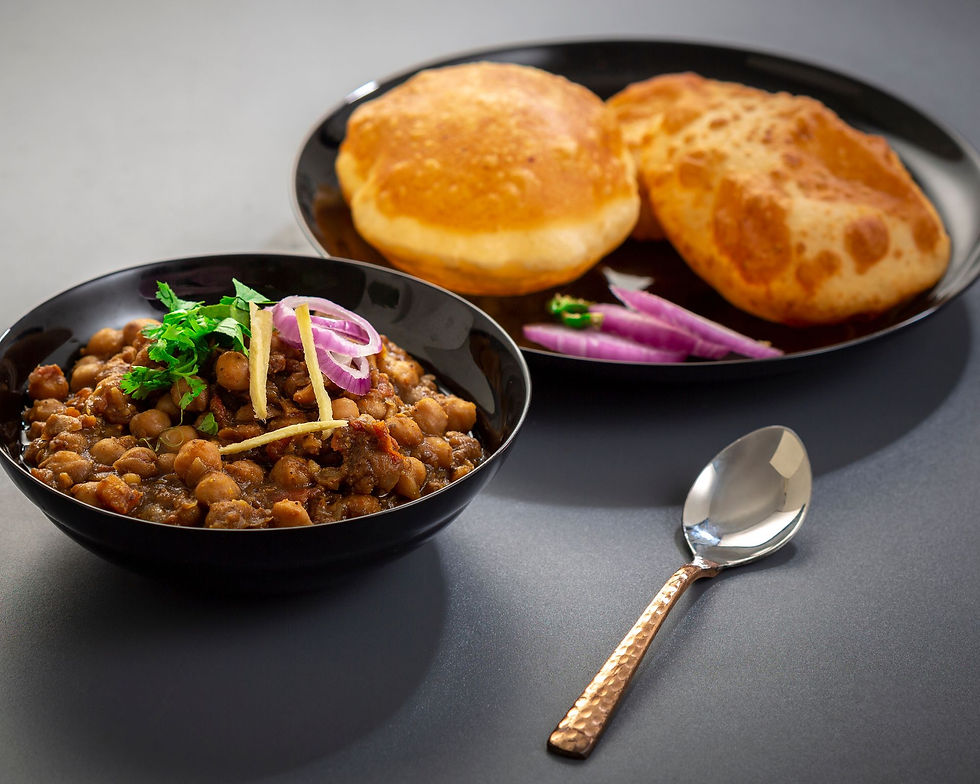
Northern India is often the cuisine most familiar outside the country, but even here there are striking differences. Punjab's agricultural heritage created a cuisine built around wheat, dairy and tandoor cooking, while the refined kitchens of Awadh developed slow-cooking techniques that transformed everyday ingredients into elegant dishes. Farther north, Kashmir's mountain climate encouraged distinctive spice blends, dried fruits and aromatic preparations unlike those found elsewhere in India.
The western table

Western India is one of the country's most fascinating culinary regions because it combines dramatically different traditions within a relatively short distance. Gujarat is celebrated for one of the world's great vegetarian cuisines, where seasonal vegetables, lentils and grains come together in carefully balanced thalis. Continue south along the Konkan coast and coconut, kokum, seafood and tropical produce begin to dominate the plate. Rajasthan, shaped by an arid climate, developed ingenious ways to preserve ingredients and create deeply satisfying meals with limited water.
The eastern rivers

Eastern India revolves around rivers, fertile plains and rice cultivation. In Bengal, mustard oil, freshwater fish and an extraordinary tradition of sweets define the cuisine, while Assam introduces travelers to gentler flavors, fresh herbs, fermented ingredients and one of the world's great tea-growing landscapes.
Meals here often feel lighter than those in northern India, yet no less complex.
The tropical south
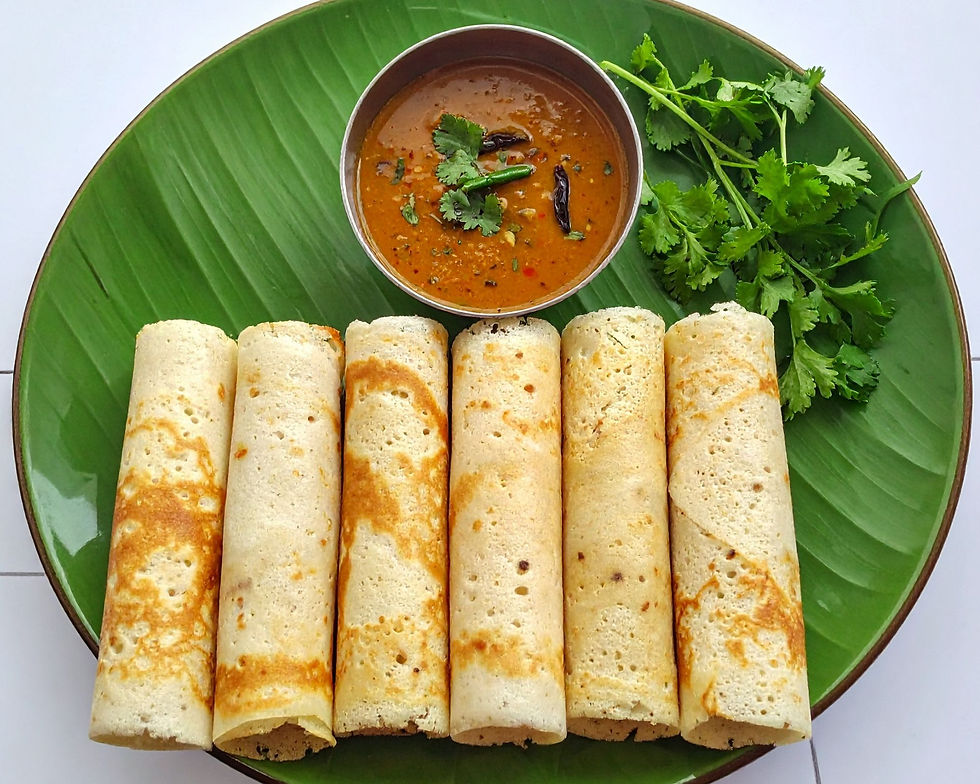
Southern India contains extraordinary culinary diversity, yet several threads connect the region. Rice becomes the primary grain. Coconut appears in countless forms. Fermentation transforms batters into dosas and idlis. Curry leaves, tamarind and black pepper create layers of flavor that differ significantly from northern cooking.
Kerala's cuisine reflects centuries of maritime trade, while Chettinad cooking demonstrates how merchants, spices and commerce shaped one of India's most distinctive regional traditions. Farther into the Nilgiris, tea plantations and cooler mountain climates introduce another dimension to southern India's food story.
Why spices tell only part of the story
Many travelers arrive expecting Indian food to be defined by heat. They often leave remembering fragrance instead. Spices in India do far more than add heat. Cardamom lends sweetness, cumin adds earthiness, coriander brings freshness, fenugreek contributes gentle bitterness and black pepper provides warmth long after the first bite. The same spice may appear differently from one region to another depending on climate, local traditions and the balance of the dish. Learning to recognize these patterns is far more rewarding than trying to memorize individual recipes.

A thoughtful way to explore India's food
Many first-time international visitors understandably want to experience regional cuisines without worrying about unfamiliar cooking methods or hygiene practices. One of the easiest ways to begin is through respected restaurants, heritage hotels and well-established dining institutions that specialize in regional cooking. Many of India's finest chefs have dedicated their careers to preserving local traditions while presenting them in ways that remain approachable for travelers. As your confidence grows (and your stomach, stronger), guided food walks, neighborhood restaurants and local recommendations can add another layer to the experience.
Looking beyond a single "Indian cuisine"
Perhaps the greatest misconception about Indian food is that it can be summarized in a single menu.
It can't. India's cuisines developed over centuries through geography, agriculture, trade, migration and community traditions. Every region tells a different story, and every meal reflects the landscape that made it possible. Travel with curiosity, and you'll discover that food becomes far more than something to eat - It becomes one of the most meaningful ways to understand the country itself.


