Why Nature Is Becoming the New Luxury Wellness Experience

Updated: Jul 1
For years, wellness travel followed a familiar formula: a beautiful resort, a spa menu, yoga classes, healthy meals, and perhaps a meditation session before breakfast.
While those experiences remain popular, a different kind of wellness travel is slowly gaining momentum. Increasingly, travelers are seeking experiences that feel less curated and more connected to the natural world. They are looking for silence instead of schedules, wilderness instead of wellness facilities, and meaningful encounters with landscapes, wildlife, and local traditions rather than another treatment room.

In many ways, luxury wellness is returning to something much older: the belief that nature itself can be restorative.
From Bali's Day of Silence to wilderness lodges in Africa and walking trails in Japan, a growing number of travel experiences are redefining wellness through nature, culture, conservation, and connection. These destinations suggest that the future of wellness may be less about treatments and more about how we engage with the world around us.
Wellness Through Silence
Few places illustrate this shift more clearly than Bali during Nyepi, the Balinese Day of Silence. For twenty-four hours each year, the island comes to a standstill. Airports close, roads empty, businesses shut their doors, and even lights are kept to a minimum.
What might sound restrictive to outsiders is viewed locally as an opportunity for reflection and renewal. The day is guided by four principles: no work, no travel, no entertainment, and minimal use of light or fire. Travelers who experience Nyepi often describe it as one of the rare moments in modern life when external distractions disappear completely.
The growing popularity of experiences centered on silence, mindfulness, and cultural traditions suggests that wellness is becoming less about doing and more about being.
The Healing Power of Wild Places
Across the world, wilderness experiences are increasingly being positioned as wellness experiences.
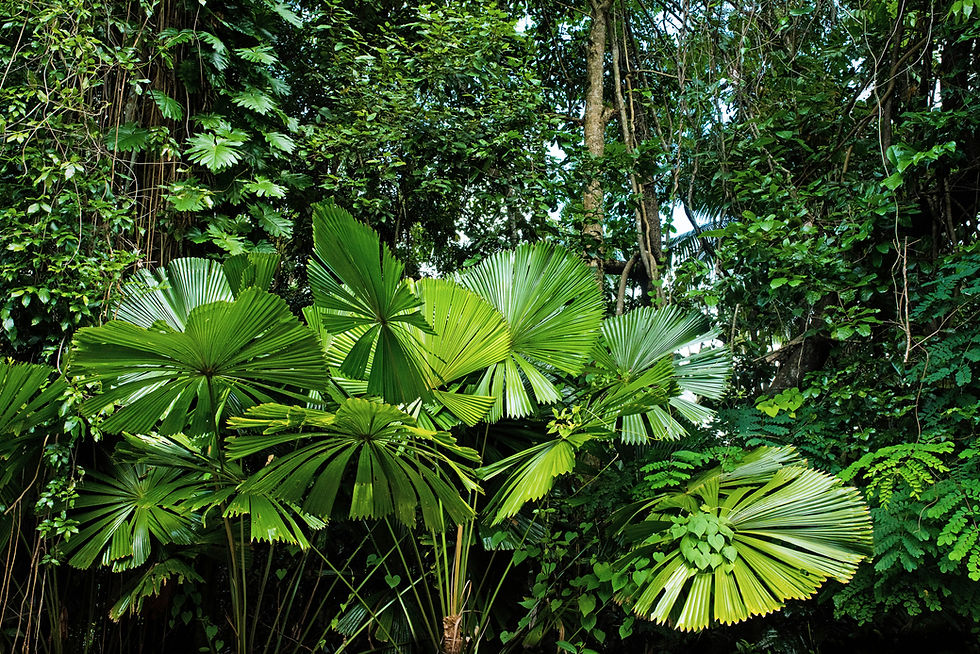
Rather than offering more activities, many destinations are encouraging travelers to slow down, pay attention, and reconnect with their surroundings. Whether it is walking through forests, observing wildlife, listening to birdsong, or watching the changing light across a landscape, nature itself becomes the source of restoration.
This shift reflects a growing recognition that wellness is not always found in retreating from the world. Sometimes it comes from becoming more present within it.
Interest in nature-based travel has grown steadily in recent years as travelers seek experiences that support mental well-being, encourage time outdoors, and foster deeper connections with local environments. From walking holidays and wildlife encounters to cultural rituals and conservation-focused journeys, travelers increasingly value experiences that feel restorative, meaningful, and rooted in place.
Walking as a Form of Wellness
Long-distance walking is experiencing a resurgence among travelers seeking a slower and more intentional way to explore the world. In Japan's eastern Hokkaido region, new guided treks take travelers through wetlands, volcanic landscapes, forests, crater lakes, and remote national parks. The appeal extends beyond physical exercise. Walking encourages travelers to move at a pace that allows them to observe seasonal changes, notice wildlife, engage with local communities, and develop a deeper understanding of place. The journey itself becomes part of the wellness experience.
Nature as a Multi-Sensory Experience
Researchers have long studied the benefits of spending time in natural environments. Practices such as Japan's shinrin-yoku, or forest bathing, have been associated with reduced stress levels, improved mood, and a greater sense of well-being.
Many travel experiences now embrace this philosophy. Rather than focusing solely on amenities, they encourage guests to engage their senses. The scent of herbs after rainfall. The sound of birds at dawn. The feeling of cool air moving through a forest. The sight of a sky filled with stars. These experiences may seem simple, but they are becoming some of the most sought-after forms of luxury.
Conservation as Wellness
Another emerging trend is the growing connection between personal well-being and environmental stewardship. Travelers increasingly want to know that their visits contribute to something larger than themselves. Conservation-led tourism initiatives, wildlife protection projects, and community-based programs provide opportunities to participate in meaningful travel experiences while supporting the preservation of fragile ecosystems.
The result is a deeper sense of connection—not only to nature, but also to the people and places that make these experiences possible.

6 Places Where Nature Is the Wellness Experience
Around the world, a growing number of destinations are reimagining wellness through wilderness, culture, movement, and conservation.
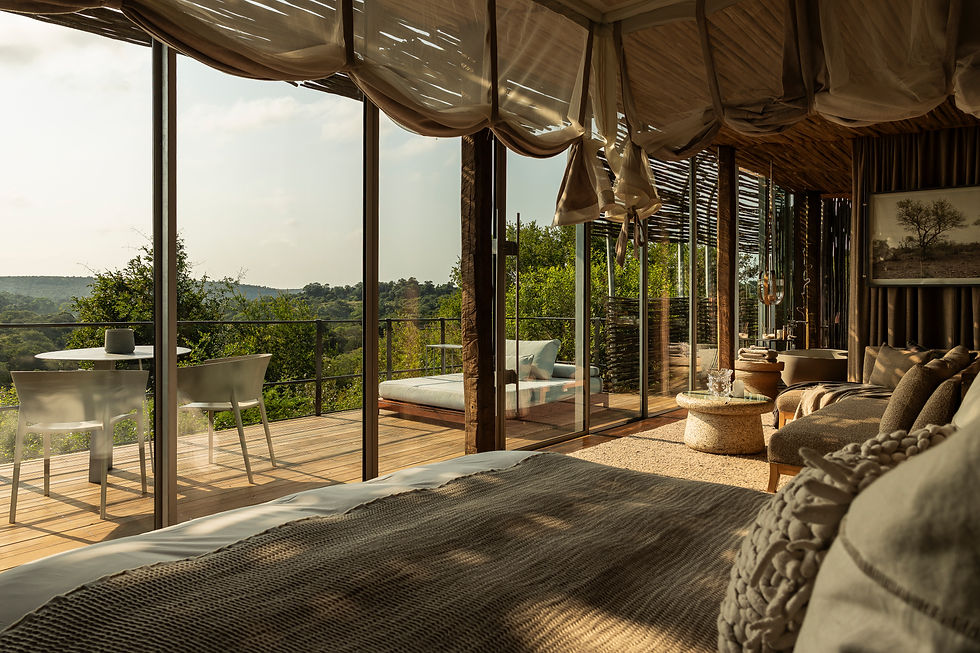
Set within Kruger National Park, Singita Lebombo recently redesigned portions of the lodge to deepen guests' connection to the surrounding landscape. New spaces celebrate conservation, local artistry, and sensory engagement with the bush. Guides encourage travelers to use all five senses while exploring the wilderness, transforming a safari into an immersive wellness experience.

Located along the Ayung River in Ubud, Mandapa blends wellness with Balinese spirituality and cultural traditions. During Nyepi, guests can participate in experiences inspired by silence, reflection, meditation, and renewal, offering a perspective on wellness that is deeply rooted in local culture rather than modern wellness trends.

One of Japan's newest long-distance guided walking experiences explores wetlands, volcanic terrain, crater lakes, and remote national parks. The trek demonstrates how walking itself can become a form of wellness, encouraging travelers to engage more deeply with nature and place.

Set within Brazil's Pantanal, the world's largest tropical wetland, Casa Caiman offers a unique vision of wellness—one rooted in wildlife, conservation, and immersion in nature. Guests spend their days searching for jaguars, paddling through wetlands, horseback riding across the landscape, and learning about conservation projects that protect some of South America's most important ecosystems. Here, wellness comes not from escaping nature, but from becoming part of it.

For some travelers, wellness comes from stepping far outside their everyday environment. Secret Atlas' small-ship expeditions take just 12 guests into the Arctic, where glaciers, sea ice, wildlife, and vast open landscapes encourage a slower pace and a deeper connection with the natural world.

Opened in 2026, Nkasa Linyanti sits within one of southern Africa's most important wildlife corridors. Every stay contributes to conservation efforts that support wildlife protection and ecosystem recovery. Here, wellness is linked not only to spending time in nature but also to helping preserve it.
Planning a Nature-Based Wellness Journey
Nature-based wellness experiences come in many forms. Some travelers may find renewal through walking remote trails, while others may be drawn to wildlife encounters, cultural rituals, conservation experiences, or simply spending time in landscapes that encourage stillness and reflection.
The next generation of wellness travel may not be defined by bigger spas or more advanced treatments. Instead, it may be defined by access to experiences that feel increasingly rare in modern life: silence, darkness, wilderness, slowness, and genuine connection.