A Los Angeles–Based Global Lifestyle Magazine
Travel. Culture. Distinctive Stays. Lived Experience.
VIENNA

Vienna is a city of distinct geographical zones, where a compact, highly walkable historic core anchors a much wider layout of grand imperial estates, expansive public parks, and outer residential districts. Neighborhoods like the Innere Stadt, Neubau, Leopoldstadt, Mariahilf, Josefstadt, and Alsergrund each shape the city differently, making Vienna feel deeply polished, creative, residential, local, or artistic depending on where you anchor yourself.
This guide to Vienna focuses on how to plan your visit by neighborhood, how to navigate the physical distances between major landmarks using world-class public transit, and how to experience the city through its magnificent palaces, hidden architectural gems, classical performance arts, and historic day trips.
Vienna: A Practical Travel Guide

Vienna, Austria


What to Know: Weather, Wellness & Culture
Temperature
-
Summer: 68–80°F / 20–27°C
-
Winter: 32–40°F / 0–4°C
Vienna experiences a distinct four-season Central European climate. Summers are warm and generally clear without the oppressive humidity found further south. Autumn brings crisp air and gold foliage across the imperial parks, while winters are cold and sharp, frequently dusting the city’s Baroque domes and historic squares with snow.
Wellness
-
The Steinhof Hills & Palace Grounds: While central Vienna is flat, active movement is naturally built into exploring the city's perimeter. The sprawling, uphill parklands of Schönbrunn Palace and the hiking trails leading to Otto Wagner’s Steinhof Church offer expansive, elevated walking paths away from the urban center.
-
Therme Wien Mineral Spas: Vienna houses one of Europe’s largest and most advanced urban thermal spa complexes. Located right on the U1 subway line, these healing sulfur springs feature indoor and outdoor thermal pools, grottos, and extensive Finnish-style sauna villages.
-
The Ringstrasse Volksgarten: A grand public park right on the main imperial boulevard, known for its meticulously designed rose gardens featuring hundreds of distinct varieties and quiet, tree-lined walking tracks.
-
Danube Canal Running Paths: The long, continuous concrete embankments of the Donaukanal serve as the city’s primary car-free route for local runners, cyclists, and urban walkers.
-
Traditional Coffeehouse Lounging: Unlike fast-casual espresso bars, Vienna's historic, high-ceilinged cafés are culturally treated as extended living rooms. Patrons are encouraged to read newspapers, write, or work over a single drink for hours without any pressure to order more.
Culture
-
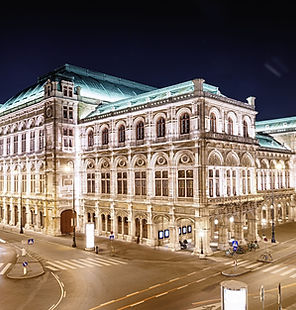
Habsburg Imperial Capital: As the historic seat of the Holy Roman and Austro-Hungarian Empires, Vienna's layout is entirely defined by centuries of imperial governance, preserving a monumental scale of palatial architecture.
-
UNESCO Historic Center: The entirety of Vienna's Innere Stadt is a protected UNESCO World Heritage site, displaying an incredibly intact timeline of high Baroque palaces, medieval alleyways, and grand late-19th-century Ringstrasse architecture.
-
Classical Music & Opera Heritage: The absolute global epicenter of classical music history, deeply tied to the lives and masterworks of Schubert, Mozart, Beethoven, and Strauss. Elite classical performances and intimate church ensemble concerts run 365 days a year across the city.
-
Wiener Jugendstil (Art Nouveau): The city serves as a living gallery for the early-20th-century Secessionist movement. Architectural landmarks like Gustav Klimt's Secession Building, Otto Wagner's green cast-iron subway pavilions, and the decorative tilework of the Majolikahaus line the city streets.
-
UNESCO Sausage Stand Culture: The historic, street-side Würstelstände function as vital, democratic neighborhood social hubs where late-night opera-goers and local shift workers mingle over traditional regional sausages.
-
Modern Public Art & Architecture: Bold contemporary structures provide a direct visual contrast to the imperial stone, from the monumental dark basalt block of the MUMOK museum in the MuseumsQuartier to Friedensreich Hundertwasser's radically colorful, undulating, and eco-conscious architectural facades.
-
Regional Day Trips: Vienna's centralized main stations provide direct, highly efficient rail access to the Wachau Valley wine region, the lakeside mountain village of Hallstatt, the historic city of Salzburg, and neighboring international capitals like Budapest and Bratislava.