A Los Angeles–Based Global Lifestyle Magazine
Travel. Culture. Distinctive Stays. Lived Experience.
ROME

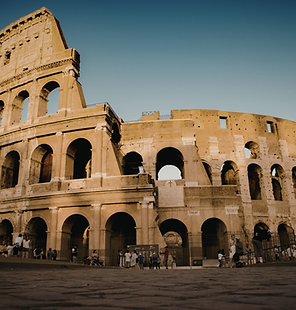
Rome is defined by its layers—ancient ruins, active religious spaces, and everyday city life existing within the same streets. The Colosseum, Roman Forum, and Pantheon are not separate stops; they sit within a walkable historic core that shifts quickly from open archaeological sites to narrow, active passages.
This guide focuses on how to move through Rome with clarity—how to structure your time, where to stay, and how to experience the city without overloading the day.
Rome: A Practical Travel Guide

Rome, Italy


What to Know: Weather, Wellness & Culture
Temperature
-
Summer: 80–95°F / 27–35°C (High heat in July and August; shade is limited in Ancient Rome and older buildings vary in air conditioning).
Winter: 45–60°F / 7–16°C (Milder than most of Europe; fewer crowds and easier access to major sites).
Wellness
-
Thermal Bath Culture (Terme Tradition): Rome’s wellness roots go back to ancient bath complexes like the Baths of Caracalla, where bathing was social, not private. Today, modern versions exist outside the city center, such as QC Terme Roma, which reinterpret this tradition through structured hydrotherapy and outdoor pools.
-
Walking as Daily Practice: Rome is not a “fitness” city in the conventional sense. Movement comes from necessity—long walking routes between the Colosseum, Pantheon, and Vatican. Uneven stone streets and limited shade make this physically demanding, which is why pacing and hydration matter!
-
Public Water (Nasoni Culture): Rome’s public fountains, known as nasoni, provide free, drinkable water throughout the city. Locals refill bottles regularly, especially during warmer months
Culture
-
Ancient + Living City: Unlike many European capitals, Rome does not separate its history into designated districts. Sites like the Roman Forumand the Pantheon sit within active neighborhoods, where daily life continues around them.
-
Religious Architecture: Churches in Rome function as both active places of worship and accessible art spaces. Locations such as St. Peter's Basilica and smaller churches across the Historic Center house works by artists like Caravaggio, often without entry fees.
-
Music and Performance: Rome’s cultural scene includes opera at Teatro dell'Opera di Roma, seasonal outdoor performances, and smaller concert settings that feel integrated into the city