Wishes Written in Wood: The Japanese Tradition of Ema

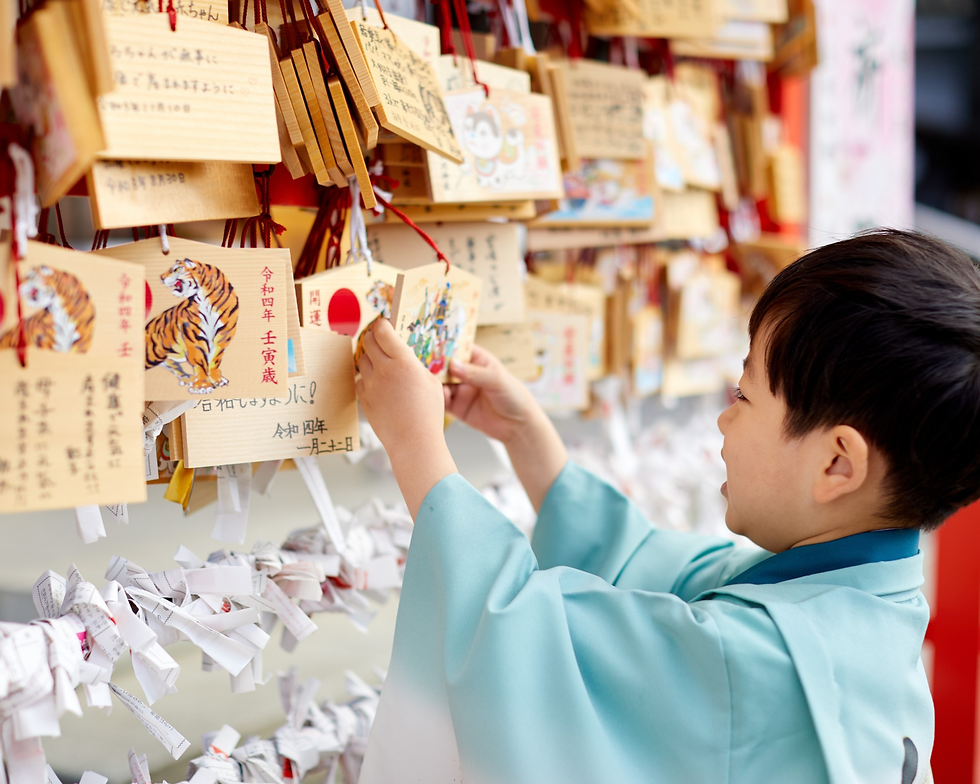
Walk through the grounds of a Japanese shrine, and before you reach the main hall, you will likely notice rows of small wooden plaques shifting in the wind. Hung from dedicated wooden racks, these plaques form a dense collection of handwritten text. Some show careful, deliberate calligraphy, while others carry hurried notes, drawings, or messages written in a variety of world languages.

Together, they represent the collective hopes, anxieties, goals, and prayers of thousands of individuals who will likely never meet. A student asks for the focus to pass an entrance exam, a parent seeks health for a child, a traveler requests a safe journey home, and another person simply asks for their family to be happy. These wooden plaques are known as ema, and they have been an integral part of Japanese religious practice for centuries.
The Origin and Evolution of the Custom
The word ema translates literally to "picture horse." In the earlier layers of Japanese religious history, horses were regarded as important messengers to the kami, the spirits or deities of the Shinto tradition. For centuries, wealthy patrons and nobility would donate living horses to shrines to show gratitude or to request divine favor. Over time, for reasons of practicality and expense, this custom shifted. Worshippers began offering wooden plaques painted with the likeness of a horse as a symbolic substitute.
While this ancient equine imagery gave the tradition its name, contemporary ema reflect a much wider variety of designs. Today, it is common to find plaques featuring the animal of the current zodiac year, local flora, or specific artwork associated with the history of that particular shrine. Despite these changes in visual appearance, the core purpose of the practice has remained entirely consistent: visitors write a specific wish, prayer, or personal intention onto the wood and leave it at the shrine.

Distribution and Seasonal Context
These plaques are found throughout Japan, from the prominent, heavily visited shrines of Tokyo and Kyoto to small neighborhood altars in rural communities. While they can be purchased and hung at any time of year, they take on a significant cultural weight during hatsumōde, the traditional first shrine visit of the New Year. During the first days of January, millions of people visit Shinto shrines and Buddhist temples across the country to pray for health, safety, and success in the months ahead, often marking the occasion by hanging a new plaque.
Depending on the specific shrine, certain thematic patterns often emerge among the hanging plaques. Shrines dedicated to scholarship, such as those honoring the scholar-deity Sugawara no Michizane, naturally attract thousands of students preparing for difficult entrance examinations. Other shrines are historically associated with blessings for relationships, business prosperity, safe childbirth, or recovery from illness. The specific requests reflect the changing needs of the individuals, but the physical act remains identical across the country.
The Mechanics of the Practice
The ritual itself is straightforward and accessible to anyone, requiring no specific religious background or formal dress code. Visitors purchase a plaque from the shrine office for a modest fee, which functions as an offering to the shrine. One side of the plaque features pre-printed artwork chosen by the shrine, while the reverse side is left entirely blank for the visitor's personal message.
After writing their intention, the visitor hangs the plaque on the communal racks alongside hundreds or thousands of others. People participate in this tradition as part of their normal daily routines, stopping by in business suits on their way home from work, in school uniforms after class, or in festive clothing during seasonal holidays. International visitors are equally welcome to take part, and it is common to see messages written in English, Chinese, Korean, and many other languages hanging side by side with the Japanese text.
Persistence in a Modern Society
One of the notable aspects of the ema tradition is its continued vitality within a highly urbanized and technologically advanced society. Japan is globally recognized for its innovations in transportation, robotics, and digital infrastructure, yet the practice of writing personal intentions by hand onto raw wood shows no signs of disappearing.
Rather than being replaced by modern technology, the tradition has adapted to contemporary culture. Some shrines now create special plaque designs featuring local historical figures or seasonal themes, and the languages found on the racks reflect an increasingly interconnected world. The physical medium persists precisely because it requires a person to slow down, hold a physical object, and commit their thoughts to writing.
Comparative Rituals and Shared Intent
The impulse to anchor a temporary human thought to a permanent physical object is a widespread phenomenon, visible in various forms across many different cultures. In Bahia, Brazil, for instance, colorful Fitas do Bonfim ribbons are tied around the wrist or to church gates, with wishes attached to each knot. In India and Thailand, sacred threads are frequently bound around the wrist during religious ceremonies as symbols of protection and connection.
Similarly, in many Western cultures, the practice of casting coins into fountains or wishing wells serves a comparable psychological purpose. While the material objects change from wood to ribbon, thread, or metal, the underlying human intention is the same: to find a tangible way to express hope and mark an important transition in life.

The Cultural Significance of the Act
Most people who leave a plaque at a shrine will never return to see it again. Once the display racks become full, shrine staff collect the plaques and dispose of them through traditional ritual fires known as otakyage, which respectfully release the prayers. Therefore, the significance of the ema does not lie in the permanent preservation of the object, but entirely in the act of writing and letting go.
Standing before a wall of these plaques is a reminder of shared human concerns. Beneath the surface differences of language, age, and nationality, the core desires of the writers remain largely the same: health for family, success in work or school, and peace of mind.
For an outside observer, the display provides a meaningful look into how a centuries-old tradition continues to connect generations of people through the simple act of reflection.


