São Tomé & Príncipe Travel Guide: What First-Time Visitors Should Know

If someone asked you to point to São Tomé & Príncipe on a map, there's a good chance you couldn't. That's exactly what makes this small island nation so fascinating.
Located in the Gulf of Guinea off the west coast of Central Africa, São Tomé & Príncipe remains one of the least-visited countries in the world. Travelers often picture Africa through the lens of safari parks, deserts, or bustling cities, but these two volcanic islands offer a completely different experience. Here you'll find rainforest-covered mountains, quiet beaches, historic cocoa plantations, Portuguese colonial architecture, and a pace of life that encourages you to slow down.
If your favorite trips involve discovering places before they become widely known, São Tomé & Príncipe deserves a place on your list.

Where is São Tomé & Príncipe?
São Tomé & Príncipe is Africa's second-smallest country, located almost directly on the Equator. The nation consists of two main islands: São Tomé, where most of the population lives and where you'll find the capital city, and the smaller island of Príncipe, known for its protected forests, dramatic coastline, and luxury eco-resorts.
Beyond its cultural heritage, Príncipe holds a unique environmental distinction: the entire island has been designated a UNESCO Biosphere Reserve since 2012, protecting its rich endemic flora and fauna.
With a population of roughly 240,000 people, the country feels intimate rather than crowded. Life moves at an easy pace, and even the capital, São Tomé City, is small enough to explore on foot.
Is This a Good First Trip to Africa?
For many travelers, the answer is yes.
If you've never visited the African continent before, São Tomé & Príncipe offers a gentle introduction. It doesn't require navigating enormous cities or planning a complicated safari itinerary. Instead, the focus is on nature, history, food, and spending time outdoors.
Rather than checking famous landmarks off a list, you'll spend your days hiking through rainforest, exploring restored cocoa plantations, swimming at uncrowded beaches, and learning about a culture shaped by Portuguese, African, and island traditions.
It's a destination that rewards curiosity more than speed.
What Is It Like?
People often ask what São Tomé & Príncipe is comparable to.
It's not Hawaii, although both are volcanic islands.
It's not the Maldives, where luxury beach resorts are the primary attraction.
It's not the Seychelles, despite having beautiful beaches.
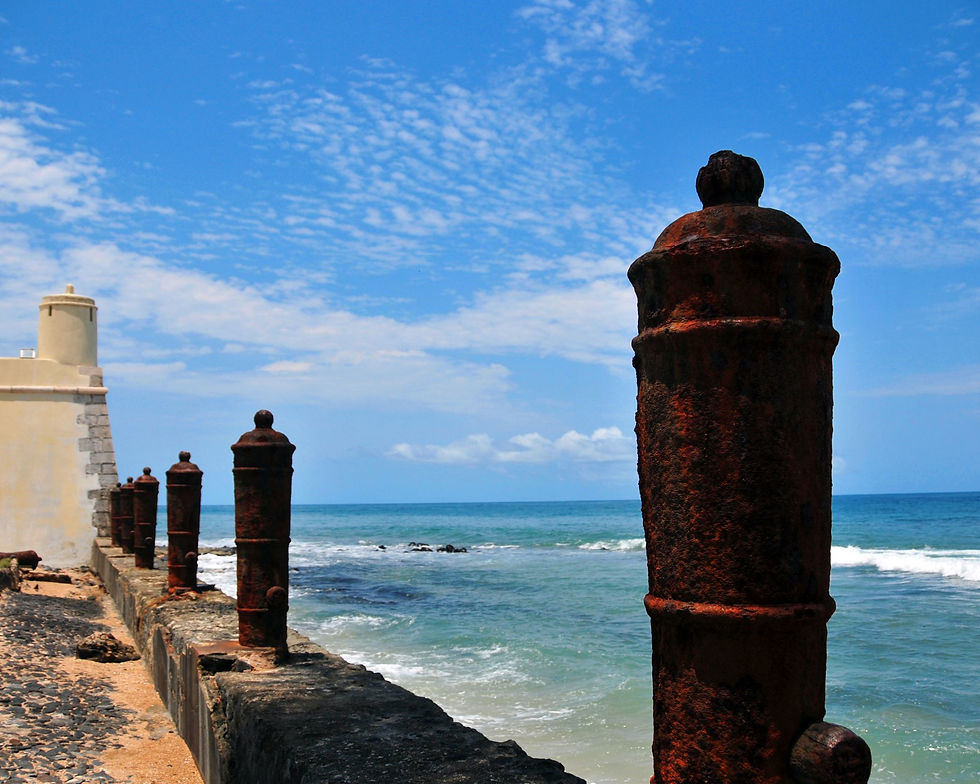
Instead, imagine lush tropical landscapes where rainforest stretches toward the ocean, winding coastal roads connect small fishing villages, and former cocoa estates have been transformed into boutique hotels. Many beaches remain wonderfully quiet, and hiking trails often lead to waterfalls, volcanic peaks, and panoramic viewpoints rather than crowded attractions. Nature is the main attraction here.
How Do You Get There?
Most international travelers reach São Tomé through Lisbon, Portugal, which offers the most convenient air connections via TAP Air Portugal. Depending on where you're traveling from, you may also find regional routes through cities such as Accra, Libreville, or Luanda.
Visa Note: Many nationalities (including citizens from the EU, US, UK, and Canada) enjoy visa-free entry for short stays or can secure entry via a straightforward e-Visa process. Always check current entry requirements before departure.
Travel between São Tomé and Príncipe is usually by a short domestic flight. Because schedules are limited, it's worth booking these flights well in advance.

When Is the Best Time to Visit?
Weather varies slightly by season, depending on what you want to experience:
June to September (Gravana): This is the cooler, drier season. It's an ideal period for hiking and exploring the rainforest comfortably without heavy downpours.
October to March: This period brings warmer weather and serves as the primary turtle nesting season, making it a prime time for conservation-focused wildlife viewing, alongside whale watching earlier or later in the migratory cycle.
Should You Visit Both Islands?
If your schedule allows, absolutely. A week is enough time to experience both islands without rush. Spend four or five nights on São Tomé exploring the capital, cocoa plantations, waterfalls, beaches, and rainforest. Then fly to Príncipe for two or three nights to enjoy its quieter atmosphere, hiking trails, beaches, and conservation-focused resorts. If you only have five days, staying entirely on São Tomé is still a rewarding trip.

How Much Does a Trip Cost?
One of the biggest surprises for first-time visitors is that the destination itself isn't necessarily expensive—it's getting there that usually represents the largest cost. For a one-week trip, excluding your international flights to Europe if you're connecting there, you can generally expect:
Budget traveler: approximately US$1,800–2,500
Comfortable traveler: approximately US$3,000–4,500
Luxury traveler: US$5,500 or more
Accommodation, domestic flights to Príncipe, and guided excursions typically make up the largest share of your expenses.
A Crucial Practical Tip on Money: São Tomé & Príncipe is a heavily cash-based economy. Credit cards are rarely accepted outside of high-end eco-resorts and select hotels in the capital. ATMs can be unreliable for foreign cards, so you should bring sufficient Euros or US Dollars in cash to exchange locally for the São Tomé and Príncipe Dobra (STN).
Is It Safe?
São Tomé & Príncipe is generally considered one of Africa's more peaceful destinations, and many visitors find it relaxed and welcoming. As with travel anywhere, normal precautions apply. Keep valuables secure, avoid isolated areas after dark, and check official travel advisories before departure for the latest information. For most travelers, personal safety isn't what defines the experience. The country is far more likely to be remembered for its hospitality, landscapes, and slower pace of life.

Do You Need Vaccinations?
Before traveling, consult your doctor or a travel health clinic. Recommendations depend on your itinerary and where you're traveling from. Depending on your circumstances, healthcare providers may recommend routine vaccinations, hepatitis A, typhoid protection, malaria prevention, or other precautions. Entry requirements can also change, particularly if you're arriving from countries where yellow fever is present. Checking current official guidance before departure is always the best approach.
Can Vegetarians Eat Well?
Although seafood appears frequently on local menus, vegetarian travelers generally won't struggle.
Meals often include rice, beans, cassava, sweet potatoes, breadfruit, tropical fruit, salads, vegetable soups, and fried plantains. Hotels and lodges that regularly welcome international visitors are usually happy to prepare vegetarian meals if notified in advance. If you have stricter dietary requirements, it's worth mentioning them when making your reservation.

Will Language Be a Problem?
Portuguese is the country's official language. English is spoken at some hotels and by guides, but it's far less common outside the tourism industry. Learning a few basic Portuguese phrases—or downloading an offline translation app before your trip—will make everyday interactions much easier.

Where Should You Stay?
Accommodation is one of the highlights of visiting São Tomé & Príncipe because many properties reflect the islands' history and natural setting. Travelers seeking a luxury escape often choose Sundy Praia on Príncipe, an eco-luxury resort known for its beachfront villas and conservation efforts. Bom Bom Island Resort, also on Príncipe, combines comfortable accommodations with excellent access to beaches and marine life. Travelers looking for a comfortable base near the capital often choose Omali Lodge, while smaller boutique guesthouses provide good value throughout the island.
Rather than choosing an international hotel chain, consider staying at one of the restored historic properties. They offer a much stronger sense of place and help tell the story of the islands.

This Viator tour provides one of the best biodiversity experiences of São Tomé (beaches, waterfall, nature, culture, history and gastronomy). Check it out!
UNESCO Heritage and Why It Matters
São Tomé & Príncipe is home to significant global heritage listings:
The Roças of São Tomé and Príncipe: Colonial Agricultural System and Forced Migration: Recognized as a UNESCO World Heritage Site, this designation covers a network of historic cocoa and coffee plantations that shaped the country's economy and society for generations. Visiting these estates provides important insight into the islands' agricultural history, Portuguese colonial influence, and the lives of the people whose labor transformed São Tomé into one of the world's leading cocoa producers.
Tchiloli: Recognized by UNESCO as Intangible Cultural Heritage, this traditional performance continues to bring communities together through music, storytelling, and theater.

Experiences Worth Planning
The best experiences here are about immersing yourself in the islands. Spend a morning touring a historic cocoa plantation before sampling locally produced chocolate. Hike through Obo Natural Park to discover waterfalls, tropical forests, and endemic birdlife. Photograph Pico Cão Grande, one of Africa's most recognizable volcanic formations, and set aside time to simply enjoy the beaches. If you're visiting during turtle nesting season, a guided conservation experience can become one of the most memorable parts of your trip.
In this Viator tour, you start at São Tomé, visit the Abade River, the city of Santana, colonial houses and cocoa plantation of Roca Agua-Ize, enjoy the Boca do Inferno, check out Micondo Beach, and visit
Roca S. Joao dos Angolares. You also have an opportunity to see the famous Pico Cao Grande rock formation, and the coconut plantation as well as walk to the equator landmark where you can have your feet in two hemispheres simultaneously.
What Should You Pack?
Packing thoughtfully will make your trip much more comfortable. Lightweight clothing works well throughout the year, but a lightweight waterproof jacket is useful because tropical showers can arrive unexpectedly. Comfortable hiking shoes are essential if you plan to explore rainforest trails or volcanic landscapes. Reef-safe sunscreen, insect repellent, a reusable water bottle, and a universal travel adapter are all practical additions. A dry bag is helpful for boat trips, while a power bank is useful during long days exploring the islands. If you enjoy snorkeling, bringing your own mask can also be worthwhile.

A Fascinating Piece of History
One of the most remarkable stories connected to Príncipe has nothing to do with beaches. In 1919, an international scientific expedition led by Sir Arthur Eddington traveled to Sundy Plantation on Príncipe to observe a total solar eclipse. The photographs taken there helped confirm Albert Einstein's General Theory of Relativity, making this island an important location in the history of modern physics. It's an unexpected reminder that even the world's smallest destinations can have global significance.
São Tomé & Príncipe isn't a destination for travelers looking for nightlife, luxury shopping, or an itinerary packed with famous landmarks. It's for people who appreciate places that still feel authentic. Here you'll find rainforest-covered mountains, empty beaches, remarkable biodiversity, historic cocoa estates, and a culture shaped by centuries of African and Portuguese influence. A week is enough to experience both islands at a comfortable pace, making it an excellent choice for travelers seeking something different without feeling overwhelmed.
If you're looking for a destination that combines nature, history, culture, and genuine tranquility—and one that many travelers have yet to discover—São Tomé & Príncipe may be one of Africa's most rewarding surprises.


