The Ultimate Lisbon Travel Guide: What to See, How Long to Stay, and What First-Time Visitors Should Know

Lisbon is one of Europe's easiest capitals to enjoy, balancing an ancient coastal heritage with a remarkably relaxed modern pace. Unlike the exhausting, checklist-driven itineraries often forced upon travelers in Rome, Paris, or London, the Portuguese capital invites a slower approach. The city seamlessly combines historic neighborhoods, a brilliant culinary scene, wide river views, and accessible day trips, all within a relatively compact urban footprint.
Since many of Lisbon’s definitive highlights sit shoulder-to-shoulder, it is entirely possible to experience the depth of the city in just a few days while still leaving ample room for long lunches, spontaneous neighborhood exploration, and quiet afternoons spent overlooking the water.
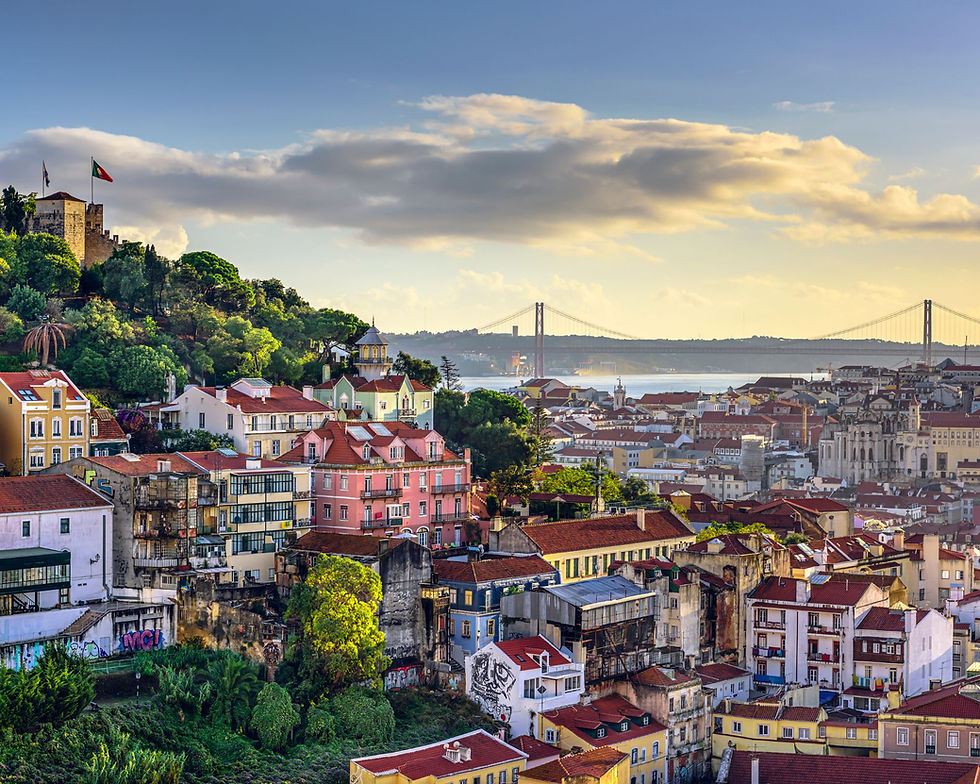
For the first-time visitor, the primary challenge is simply choosing how to divide your hours. Between medieval quarters, hilltop terraces, world-class museums, vibrant waterfront squares, and fairy-tale day trips like Sintra and Cascais, the city offers far more texture and variety than many travelers anticipate.
Is Lisbon Worth Visiting?
The city appeals to a broad spectrum of travelers precisely because it offers historical depth and rich cultural programming without the overwhelming stress of a massive metropolis. Lisbon genuinely rewards those who love to explore on foot, pause in sun-drenched cafés, and discover the personality of a neighborhood gradually rather than rushing between ticketed monuments. At the same time, a dense concentration of maritime history, modern art galleries, traditional taverns, and curated culinary experiences ensures that even the most ambitious itinerary remains fully satisfied. For anyone planning an initial journey into Portugal, Lisbon is the natural, indispensable anchor.

Determining Your Ideal Length of Stay
The Forty-Eight Hour Introduction
A two-day visit serves as an excellent, high-energy introduction to the capital. This window provides enough time to navigate the historic downtown grid, ride a vintage streetcar, explore the monumental maritime district of Belém, and catch a classic sunset from one of the city's famous hilltop viewpoints.
The Three-Day Sweet Spot
Three days is the ideal timeline for most first-time travelers. This pace covers all the major historical landmarks while leaving breathing room to wander deeper into the distinct subcultures of neighborhoods like Alfama, Chiado, and Príncipe Real without feeling rushed.
The Four to Five-Day Immersive Stay
Travelers who dedicate closer to a week can settle into the city’s actual daily rhythms. This extended stay allows for a more relaxed afternoon schedule and leaves plenty of space for essential, seamless day trips to the palaces of Sintra, the coastal cliffs of Cascais, or the medieval walled village of Óbidos.

The Neighborhoods Every Visitor Should Know
Baixa: The Historic Downtown
Rebuilt in a grand classical grid after the devastating 1755 earthquake, Baixa serves as Lisbon’s architectural and transit hub. Characterized by wide pedestrian avenues, majestic public squares, and uniform Pombaline architecture, its flat terrain makes it the most accessible and straightforward neighborhood to navigate.
Chiado: The Cultural Heart
Elegant, lively, and sophisticated, Chiado is the city's traditional shopping and literary district. Filled with historic bookstores, theaters, art nouveau cafés, and contemporary boutiques, it remains one of the most popular and central areas for visitors to base themselves.
Alfama: The Ancient Core
As Lisbon’s oldest surviving quarter, Alfama is a dense, steep maze of narrow alleys, whitewashed houses, and hidden courtyards. It is a neighborhood defined by its historic Moorish layout, laundry drying on iron balconies, steep stone steps, and the melancholy echo of traditional Fado music drifting from tavern doors at night.
Príncipe Real: The Modern Enclave
Perched on a ridge above the city center, Príncipe Real blends nineteenth-century grand mansions with a distinctly local, upscale energy. The neighborhood is anchored by a beautiful central garden and is highly regarded for its independent boutique concepts, concept stores, and forward-thinking culinary scene.
Belém: The Waterfront Monument District
Located a short streetcar ride west of the city center, Belém is where the Tagus River meets the Atlantic Ocean. It is the historic launchpad for Portugal’s Age of Discovery and contains the city’s most imposing manual architectural monuments and expansive green parks.
Read: Where to Stay in Lisbon

Essential Lisbon Experiences
Getting Intentionally Lost in Alfama
While Lisbon features plenty of formal sights, wandering the labyrinth of Alfama remains one of its most rewarding experiences. Turning away from the main thoroughfares reveals a village-like atmosphere within the capital, where medieval stone walls open up into tiny squares, local residents chat across alleyways, and small family-run taverns serve grilled sardines right on the sidewalk.
Standing on the Ramparts of São Jorge Castle
Commanding the highest hill overlooking the historic core, the fortifications of Castelo de São Jorge provide essential historical context and an unmatched view of the urban landscape below. The site dates back to the Moorish era and earlier, offering an atmospheric walk along ancient stone battlements shaded by mature pine trees.
Catching the Historic Tram 28
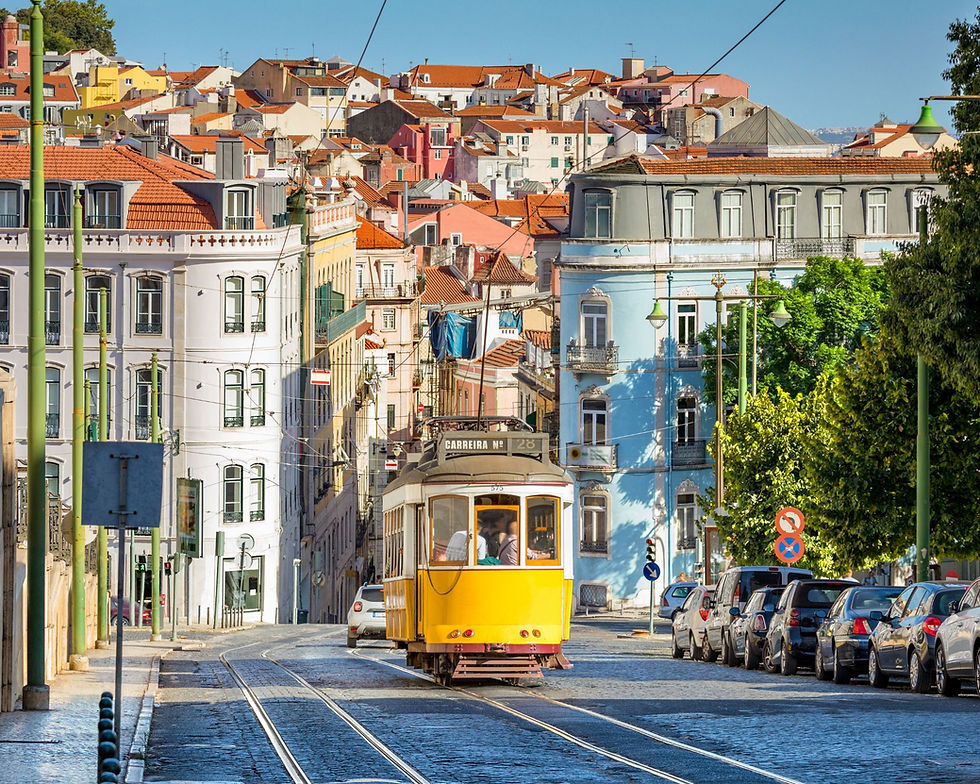
The iconic small, yellow wood-paneled streetcars of the Tram 28 line are not just a novelty; they are a vital piece of the city's transit infrastructure. The historic route rattles and screeches through the tightest corners and steepest inclines of Alfama, Baixa, and Estrela, offering a classic, cinematic window into the old city.
Spending a Morning in Historical Belém
A dedicated trip to Belém is required to appreciate the scale of Portugal’s maritime history. Here, you can explore the intricate stone carving of the Jerónimos Monastery, view the fortified Belém Tower sitting right in the river, stand beneath the grand Monument to the Discoveries, and pause at the historic Pastéis de Belém bakery to taste the original, warm Portuguese custard tart.
Crossing the Grand Praça do Comércio
Opening directly onto the wide banks of the Tagus River, this massive, saffron-yellow arcaded square is one of Lisbon’s most recognizable landmarks. Walking through its monumental triumphal arch provides a dramatic sense of arrival and serves as a highly functional, flat starting point for walking tours into the lower city.

Exploring the Creative Energy of LX Factory
Located directly beneath the towering metal spans of the April 25 Bridge, a former nineteenth-century industrial textile complex has been reimagined as the LX Factory. The gritty brick warehouses are now occupied by independent bookstores, design studios, outdoor cocktail bars, street art installations, and experimental restaurants, offering a stark contrast to the historic center.
Dining Through the Time Out Market
Housed inside the historic Mercado da Ribeira, this curated food hall brings dozens of Lisbon’s top independent chefs, traditional sausage mongers, wine experts, and pastry bakers together under one roof. It serves as an exceptional, high-energy introduction to the country's diverse regional culinary traditions.
Understanding the Geometry of Lisbon's Hills
One of the absolute defining characteristics of Lisbon is its severe vertical geography. Built across a series of steep ridges overlooking the river, the city offers incredible visual depth, though it demands frequent, unexpected climbs. While navigating historic quarters like Graça or Castelo can be physically demanding on foot, the city has spent centuries mastering its own terrain.
An intricate network of vintage funiculars, municipal elevators, and modern rideshares makes navigating the verticality remarkably straightforward. The ultimate reward for these challenging slopes is the collection of public, terraced viewpoints known as miradouros. These spaces function as open-air neighborhood living rooms, featuring lively drink kiosks, shaded seating, and some of the finest panoramic urban vistas anywhere in Europe.
The Culinary Landscape of the Capital
Food is an inseparable element of the Lisbon lifestyle. The city gracefully balances a deep reverence for traditional Atlantic and rustic cooking—anchored by salt cod (bacalhau), rich kale soups (caldo verde), savory pork sandwiches (bifanas), and seasonal grilled seafood—with a rapidly expanding scene of contemporary, Michelin-starred gastronomy. Beyond the classic neighborhood taverns (tascas), visitors will find a sophisticated, international food culture that honors fresh ingredients while embracing modern execution, exceptional regional wines, and an increasing variety of creative dining options.

Essential Day Trips Beyond the City Limits
The Palaces and Forests of Sintra
Easily reached by a direct forty-minute train ride, the mist-shrouded hills of Sintra feel worlds apart from the coast. This UNESCO World Heritage site is famous for its dense microclimate, exotic pine forests, and a collection of dramatic architectural landmarks, including the colorful, romanticist Pena Palace and the mysterious, Gothic gardens of Quinta da Regaleira.
The Coastal Retreat of Cascais
For a complete change of pace, a scenic train route runs directly along the shoreline to Cascais, a refined coastal town that once served as the summer retreat for Portuguese royalty. The town beautifully combines sandy Atlantic coves, a polished yacht marina, pedestrianized seafood dining streets, and dramatic coastal bike paths.
The Walled Medieval Village of Óbidos
Located a short bus ride north of the capital, Óbidos offers an entirely preserved glimpse into medieval Portugal. The small town is completely encircled by massive crenellated stone walls, enclosing a pristine interior of whitewashed cottages, cobblestone paths draped in bougainvillea, and small shops serving ginjinha, the traditional local cherry liqueur, in edible chocolate cups.
Navigating the City with Ease
Most travelers find that the most rewarding way to experience Lisbon is through a strategic mix of walking and public transit. The clean, modern underground metro system is highly efficient for crossing long distances across the city grid, while the vintage streetcars and funiculars handle the historic ridges. Taxis and rideshare applications are incredibly affordable compared to Western European standards, making them highly practical choices when heading home after dinner or navigating the steepest hills with luggage. For those staying in central, level sectors like Baixa or Chiado, a vast majority of the city's cultural heart can be reached comfortably on foot.
Lisbon offers a rare combination of architectural texture, maritime light, culinary depth, and geographical drama that is impossible to replicate. Its neighborhoods remain stubbornly distinct, its public terraces provide an intimate view into the unhurried rhythms of local life, and its coastal position makes it an exceptional anchor for a broader Portuguese journey. The city ultimately yields its best secrets to those who resist the urge to rush, choosing instead to slow down, wander the side streets, and allow time for discoveries that lie well beyond the boundaries of the map.
Continue Planning Your Lisbon Trip
Now that you have an overview of Lisbon, you can explore the topics most relevant to your trip planning:


