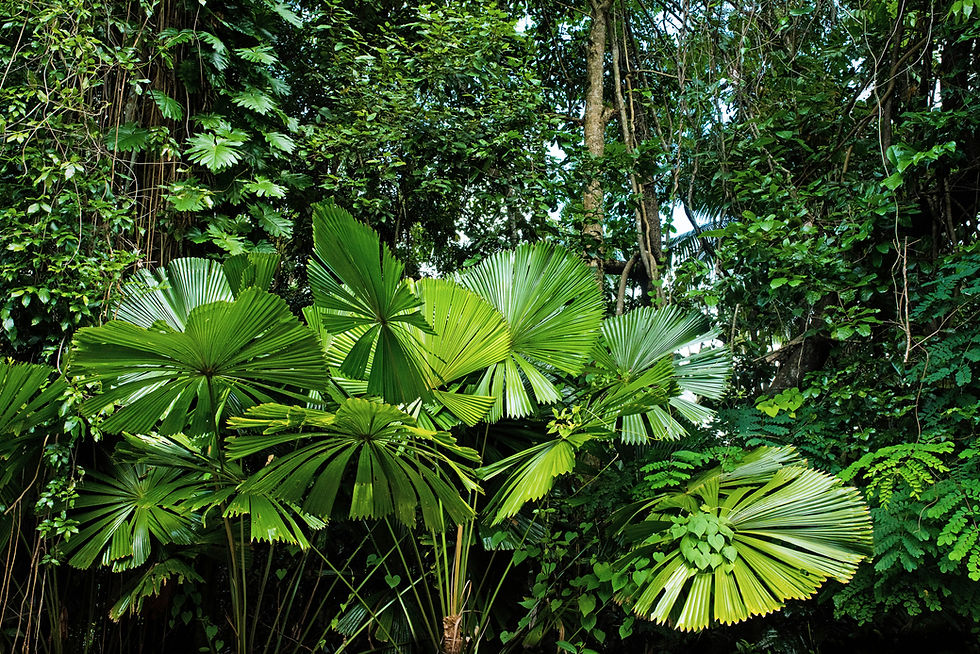
Traditional Healing: Discovering Dhivehi Beys at Sun Siyam Iru Fushi in the Maldives

Most people visit the Maldives for its beaches, marine life, and luxury resorts. Few realize the islands also have their own traditional healing practice—one that developed long before modern wellness retreats became part of the travel experience.

Known as Dhivehi Beys, this traditional system reflects generations of knowledge shaped by island life. It grew from the plants, trees, herbs, spices, and natural resources available across the Maldives, with healing practices passed from one generation to the next. While the tradition absorbed influences from other cultures connected through centuries of Indian Ocean trade, it evolved into something distinctly Maldivian, rooted in the realities of living on small islands surrounded by the sea.
Today, Dhivehi Beys continues to be practiced within the Maldives while also finding a place in a handful of wellness programs that introduce visitors to an important part of the country's cultural heritage. For travelers, it offers something beyond relaxation. It provides another way to understand the Maldives through its history, traditions, and relationship with the natural world.
What Is Dhivehi Beys?
Dhivehi Beys is the traditional healing practice of the Maldives. Before modern healthcare became widely available, island communities relied on local knowledge to care for everyday ailments and support general wellbeing. Medicinal plants, coconut oil, herbs, spices, and marine resources all played a role.
Unlike many formal medical systems, Dhivehi Beys developed largely through oral tradition. Families and local practitioners passed knowledge from one generation to another, with experience often becoming as important as written instruction. Because communities lived on separate islands, remedies sometimes varied depending on the plants and materials available in each location.
The Maldives has always occupied an important position along Indian Ocean trading routes. Ideas and knowledge traveled alongside merchants, creating cultural exchanges that influenced food, language, architecture, and healing practices. Dhivehi Beys reflects that history. It shares influences with traditions from neighboring regions while remaining closely tied to Maldivian landscapes and everyday life.
Readers familiar with Ayurveda may notice some similarities, particularly the use of natural ingredients and a holistic approach to wellbeing. The two traditions, however, developed differently. Ayurveda is built upon a well-documented philosophical system, while Dhivehi Beys evolved as a practical island tradition shaped by local knowledge, available resources, and generations of observation.
How Island Life Shaped Traditional Healing
One of the most interesting aspects of Dhivehi Beys is how closely it reflects the environment.
Living on islands meant people learned to work with what nature provided. Plants growing nearby became part of daily life, not only for food but also for cooking, building, and healing. Rather than importing ingredients, communities relied on local biodiversity and adapted their practices to their surroundings.
Coconut sits at the center of that story.
Often referred to in the Maldives as the Tree of Life, the coconut palm has supported island communities for centuries. Coconut oil became an important base for massage and herbal infusions, while the tree itself supplied food, building materials, rope, utensils, and countless everyday necessities. It remains one of the country's most recognizable symbols of self-sufficiency.
Banana leaves are another example of practicality becoming tradition. Their ability to retain warmth and moisture made them useful in herbal applications, while locally gathered leaves, flowers, roots, and spices were selected according to traditional knowledge passed through families and practitioners.
Together, these ingredients tell a larger story. Dhivehi Beys isn't simply about herbs or massage. It's about how generations of Maldivians learned to understand the landscape around them and use its natural resources thoughtfully.
Two Traditional Rituals Still Practiced Today
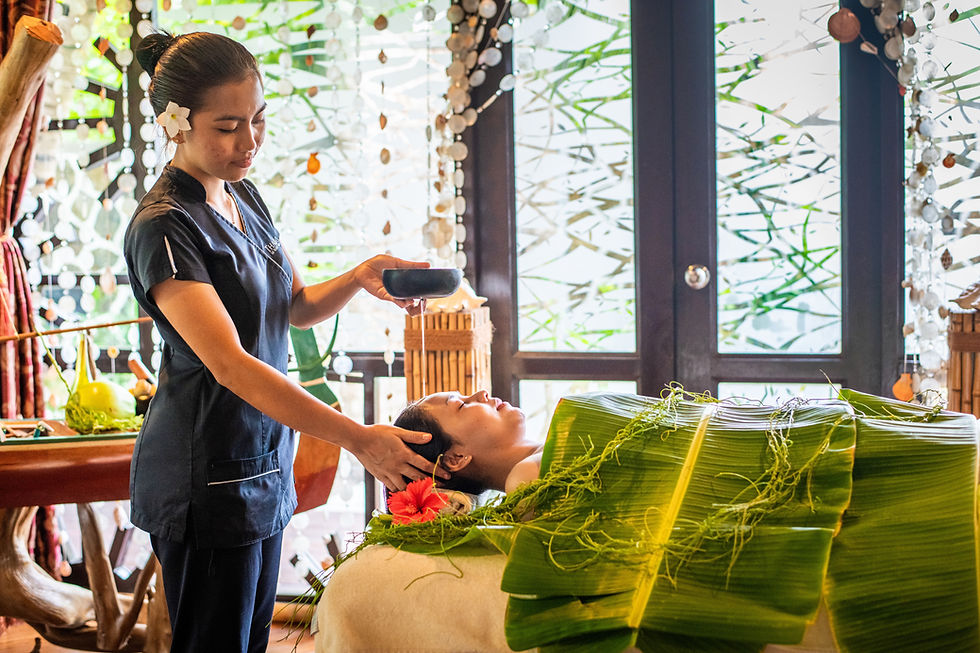
Visitors interested in experiencing Dhivehi Beys often encounter it through treatments inspired by these long-standing traditions.
One example is Umbuliveyo Banun, a ritual that begins with a freshly prepared herbal paste made from locally sourced medicinal plants, including Velambuli and Thanburu Veyo. The paste is applied to the body before fresh banana leaves are wrapped around it, allowing warmth to remain close to the skin. The experience continues with a gentle stream of warm herbal oil poured over the head, followed by a full-body massage using coconut oil infused with botanicals such as neem leaves, moringa, ginger, hibiscus flowers, and aloe vera.
Within the tradition of Dhivehi Beys, practitioners have long used Umbuliveyo Banun to help ease muscular discomfort and encourage relaxation.
A second treatment, Bondithaan Kurun, uses warm herbal poultices prepared according to an individual's needs. Depending on the treatment, the poultice may contain heated beach sand or a blend of ingredients including banyan leaves, tamarind leaves, neem, castor leaves, fresh coconut gratings, lemon, cloves, and ginger. Wrapped in natural cloth, the warmed poultices are applied through rhythmic massage techniques.
What makes both treatments memorable is the connection to place. Nearly every element reflects ingredients that have long been part of island life, demonstrating how traditional knowledge grew from the surrounding environment rather than from imported products or standardized formulas.
Experiencing Dhivehi Beys at Sun Siyam Iru Fushi
While Dhivehi Beys continues to be practiced within the Maldives, travelers can also learn about the tradition through thoughtfully designed wellness experiences.
At Sun Siyam Iru Fushi, Dhivehi Beys-inspired treatments are part of a broader longevity program that also includes Ayurvedic therapies, Traditional Chinese Medicine, yoga, meditation, and wellness consultations. Rather than presenting Maldivian healing as a standalone spa trend, the program places it alongside other long-established wellness traditions while recognizing its own cultural identity.
The resort also incorporates a charitable element: proceeds from each Dhivehi Beys Verikan treatment support island community initiatives through its giving program.
Why Dhivehi Beys Still Matters
Modern healthcare is now widely available throughout the Maldives, yet Dhivehi Beys continues to hold an important place in the country's cultural heritage. Traditional remedies remain part of everyday life in some communities, particularly for general wellbeing, family care, and minor ailments. Government organizations, practitioners, and parts of the tourism industry have also taken steps to preserve this knowledge for future generations.
For travelers, that's perhaps the most valuable takeaway.
Wellness experiences become more meaningful when they reflect the destination itself. A massage can be found almost anywhere in the world. A treatment rooted in generations of Maldivian knowledge, using ingredients connected to island life, tells a different story.
Travel has a way of changing how we notice things. In the Maldives, Dhivehi Beys encourages us to look beyond the treatment room and pay attention to the plants, traditions, and everyday practices that shaped life across these islands long before tourism arrived.
Notice This
If you experience Dhivehi Beys during your visit to the Maldives, look beyond the treatment itself.
Notice how many ingredients come directly from the islands.
Ask where the herbs and botanicals are sourced.
Pay attention to the role of coconut oil. It has been part of Maldivian daily life for generations, not simply spa culture.
Look for banana leaves, herbal poultices, and other materials that reflect local traditions rather than imported wellness concepts.
Ask how these practices are preserved today and whether they are still used within local communities.
Understanding the story behind the ritual often becomes as memorable as the ritual itself.
Green Sea Shells interviewed a practitioner involved in Dhivehi Beys at Sun Siyam Iru Fushi for this article. Historical context was independently researched using Maldivian cultural and public health sources.