A Los Angeles–Based Global Lifestyle Magazine
Travel. Culture. Distinctive Stays. Lived Experience.
THE AMAZON RAINFOREST (BRAZIL)

The Brazilian Amazon is not a singular, uniform jungle, but a vast ecosystem of distinct water basins, unique river dynamics, and highly specific regional landscapes. The entry point you choose, the seasonal water levels during your visit, and the architecture of your chosen lodge dictate the rhythm and reality of your experience.
This comprehensive hub connects our direct, boots-on-the-ground field guides to help you navigate the logistics, understand the seasonal shifts, and choose the exact jungle immersion that aligns with your travel goals.
Amazon Rainforest: A Practical Travel Guide
Before You Enter: Manaus & The Southern Alternative
Manaus is the gateway, not the rainforest. When you land, it feels like a big city—not jungle—and that’s exactly its role. The rainforest begins only after you leave on your lodge’s early transfer, usually a couple of hours by road and boat.
If you rush through with just an overnight in Manaus though, you’ll miss the river context and everyday Amazon life that lodges can’t show you.
-
Give Manaus one full day, not just a late-night arrival.
-
Expect an urban experience; the forest comes later.
-
Eat well while you’re here: Book Restaurante Banzeiro or Caxiri, and stop at Largo de São Sebastião for classic tacacá before you head into the forest.
-
The Southern Alternative: If you’ve already done Manaus on a previous trip, consider bypassing it entirely and flying straight to Alta Floresta for the Southern Amazon. Consider staying at the famous Cristalino Lodge.


Jungle Lodges: Selection and Daily Realities
Choosing where to anchor yourself in the basin shapes your daily interactions with the forest. Accommodations range from deeply rustic, off-grid eco-cabins to highly refined, minimalist luxury reserves that blend regional craftsmanship with remote adventure.
Understanding how these properties operate—from solar power constraints to the structured daily schedule of dawn canopy walks and night boat safaris—ensures your expectations match the reality of remote jungle living.
What to Know:

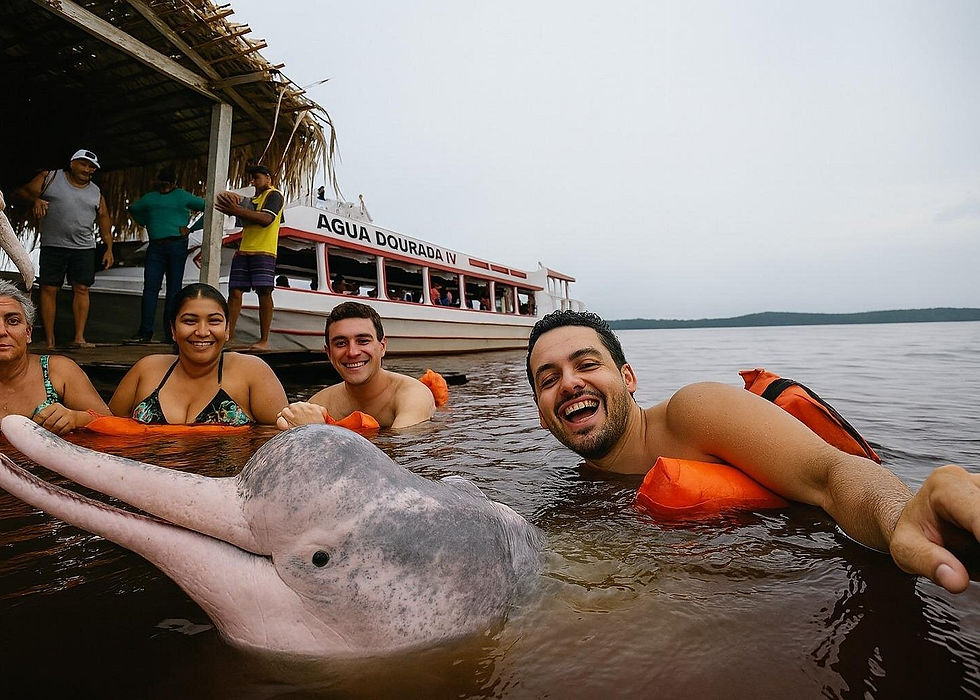
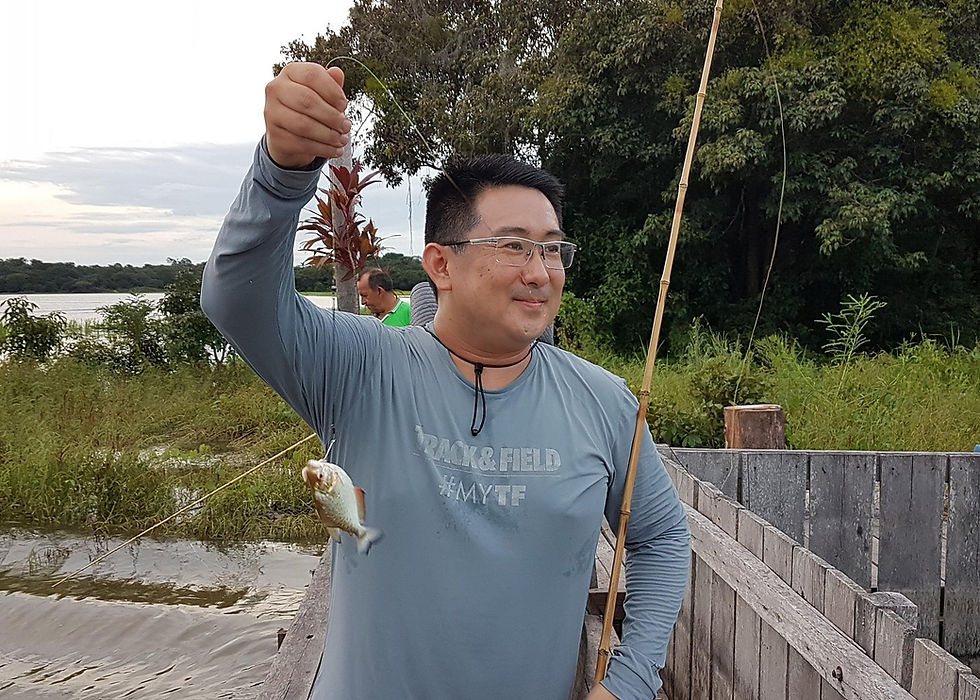

The Seasonal Rhythm: Water Levels
The Amazon changes radically depending on the calendar. The rise and fall of the river system alters the physical geography of the forest entirely. The high-water season allows you to canoe through the upper tree canopies (igapó), while the low-water season reveals sandy river beaches and concentrates wildlife along the main channels.
Timing your trip around these hydrological shifts is essential.

Amazon Rainforest
What to Know: Weather, Wellness & Culture
Temperature
Stable year-round: 75°F to 92°F (24°C to 33°C).
Wellness
-
Circadian Alignment: The jungle runs strictly on daylight hours. Mornings begin at 4:30 AM to catch the canopy waking up, followed by a long, deep midday rest during the intense equatorial heat, and a second wave of activity at dusk.
-
Digital Disconnection: Most deep-jungle lodges feature little to no cellular service or Wi-Fi, shifting the focus entirely to sensory awareness, auditory immersion (the intense night symphony of insects and frogs), and physical stillness.
-
The Power of Slow Rivers: Spending hours drifting silently in wooden canoes through flooded forests offers a highly meditative, contemplative form of movement distinct from typical active trekking.
Culture
-
Riverine Communities: The margins of the Amazon are home to Ribeirinhos (traditional river communities). Understanding their deep knowledge of medicinal plants, cassava processing, and sustainable fishing provides the critical human context behind the wild ecosystem.
-
The Meeting of Waters: Right outside Manaus, the dark, acidic, slow-moving Rio Negro runs side-by-side with the pale, sandy, fast-moving Rio Solimões for miles without mixing due to differences in temperature, speed, and water density.
-
Conservation Infrastructure: High-end lodges like Cristalino maintain private ecological reserves that create vital buffer zones around national parks, directly funding local conservation, scientific research, and anti-poaching initiatives through thoughtful tourism.